Designing for Groups on Skype (Web Client – Fully Fluid Project)
As Lead Interaction Designer at Skype (Microsoft), I led the redesign of the group communication experience for the web client. The goal was to make Skype more open, intuitive, and collaborative.
Approach
-
Working with product owners from multiple clients I was leading the experience design of Skype groups from ideation to delivery of specific features and journeys. The main challenge of the project was the orchestration in adoption from multiple clients and co-creating with other design teams so that everyone is invested into a cohesive approach.
-
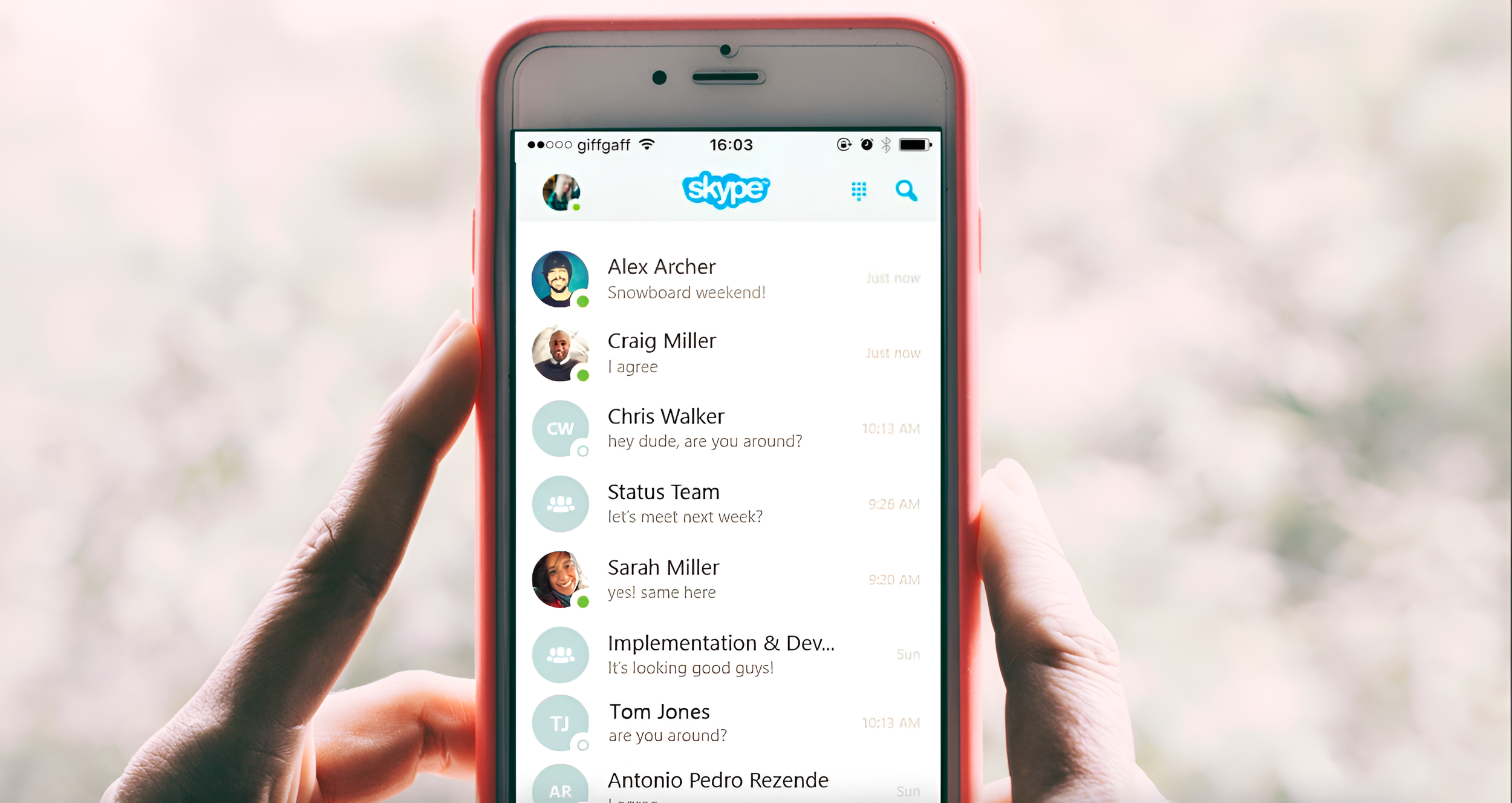
As Skype evolved toward a unified cross-platform experience, it faced major challenges in supporting group conversations that reflected how people naturally connect and collaborate. The existing navigation and interaction model had grown inconsistent, especially across devices, making it difficult for users — particularly non-Skype members — to join or plan group calls easily. The business aimed to create a more open, seamless, and inclusive group experience while maintaining brand consistency and refreshing the UI.
I focused on problem framing for the stakeholders while at the beginning of the project along with the research team: 1. P -
As Lead UX & Interaction Designer, I collaborated closely with a Senior Product Owner, Senior Researcher, and Visual Designer to reshape how groups functioned within Skype’s web client. Together, we conducted a comprehensive UX review combining analytics, research insights, and stakeholder interviews.
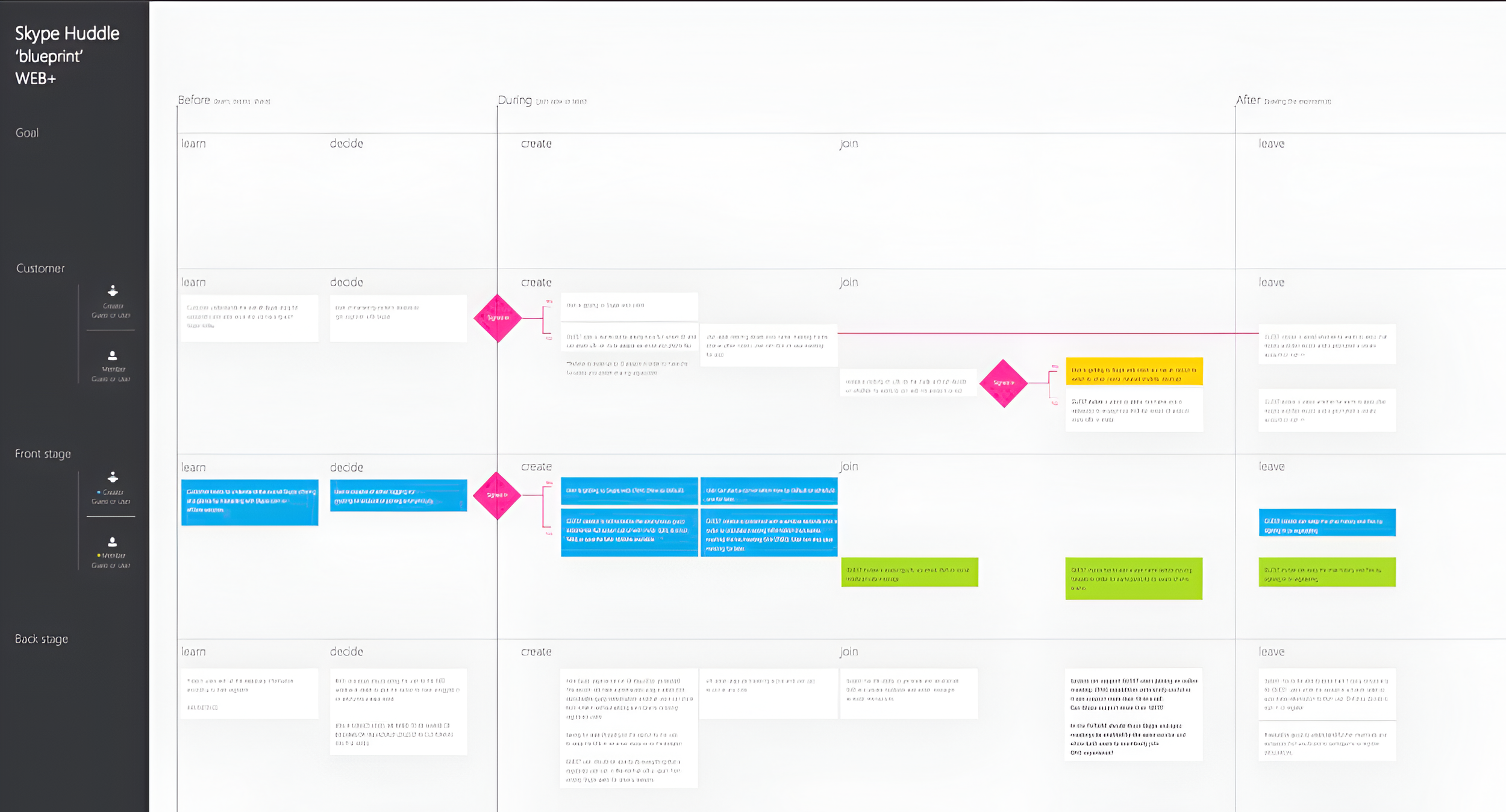
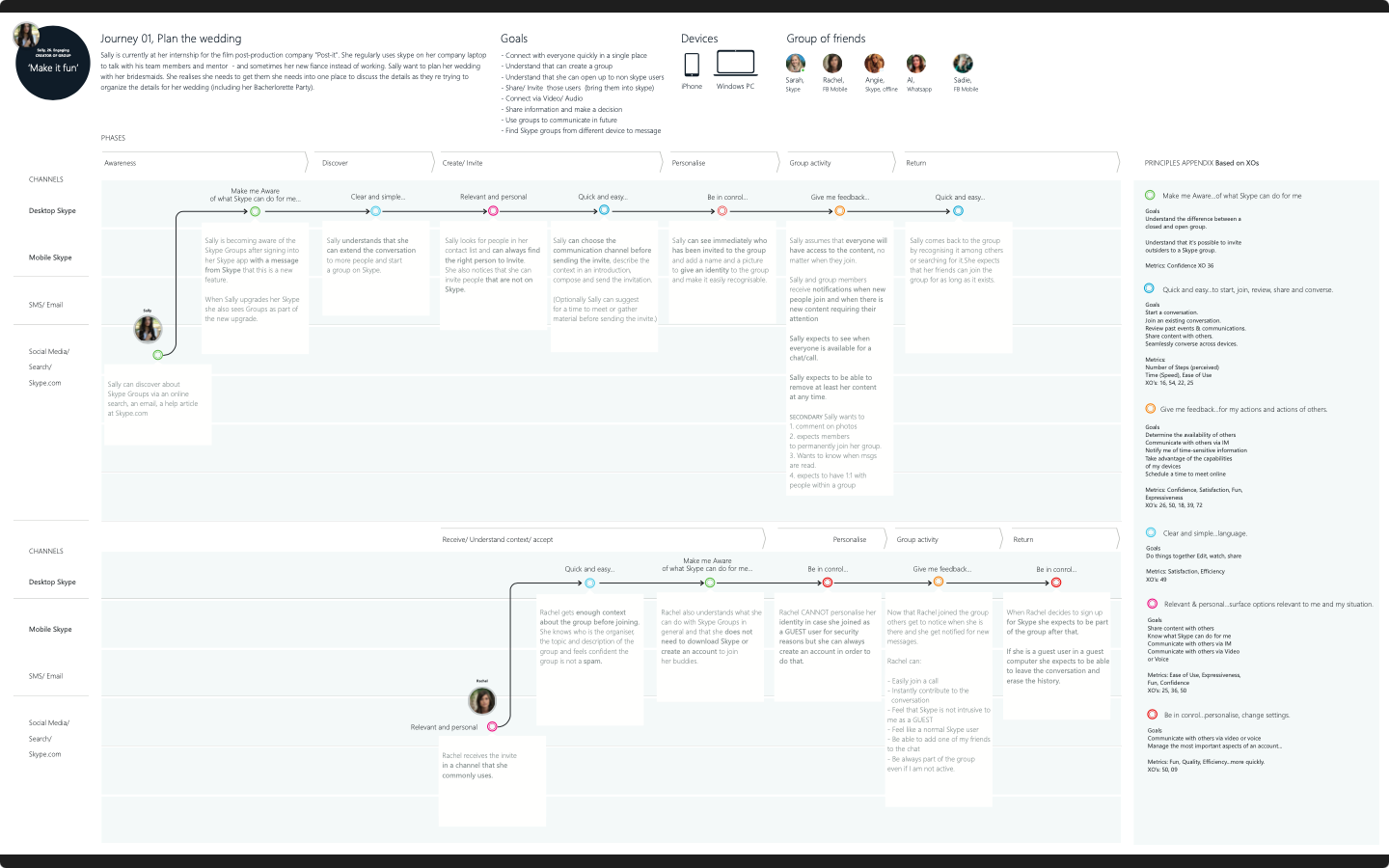
We co-ran journey mapping and co-creation workshops to make the broader team aware of key pain points and “delight moments.” This process led to the development of a detailed service blueprint and a set of guiding design principles that aligned business vision (“togetherness”) with user expectations. -
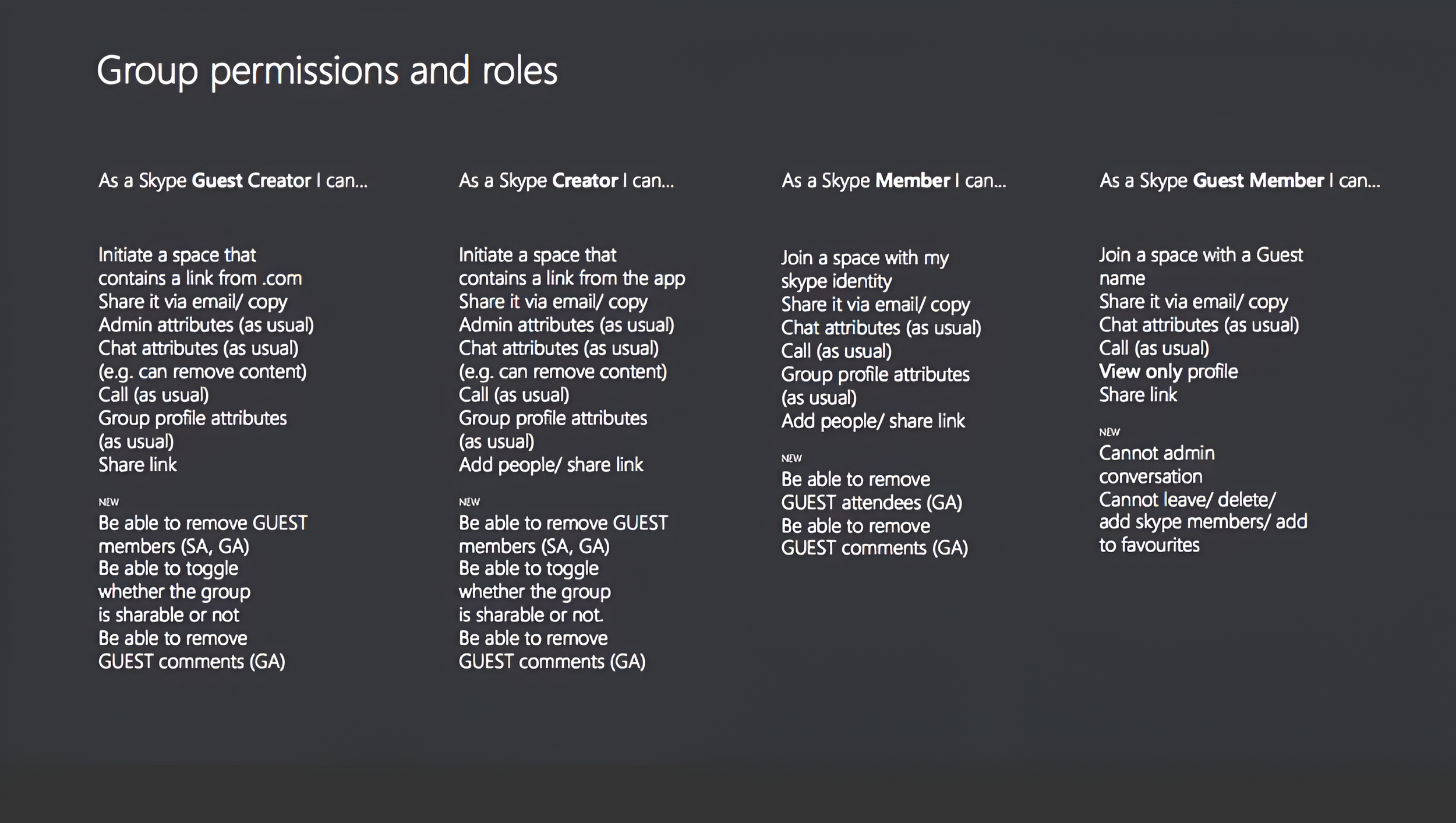
Working across multiple product teams, I designed a new navigation and interaction model for group creation, management, and participation — including flows for public and private groups. We also defined clear roles, attributes, and user scenarios, ensuring the experience could scale across multiple clients.
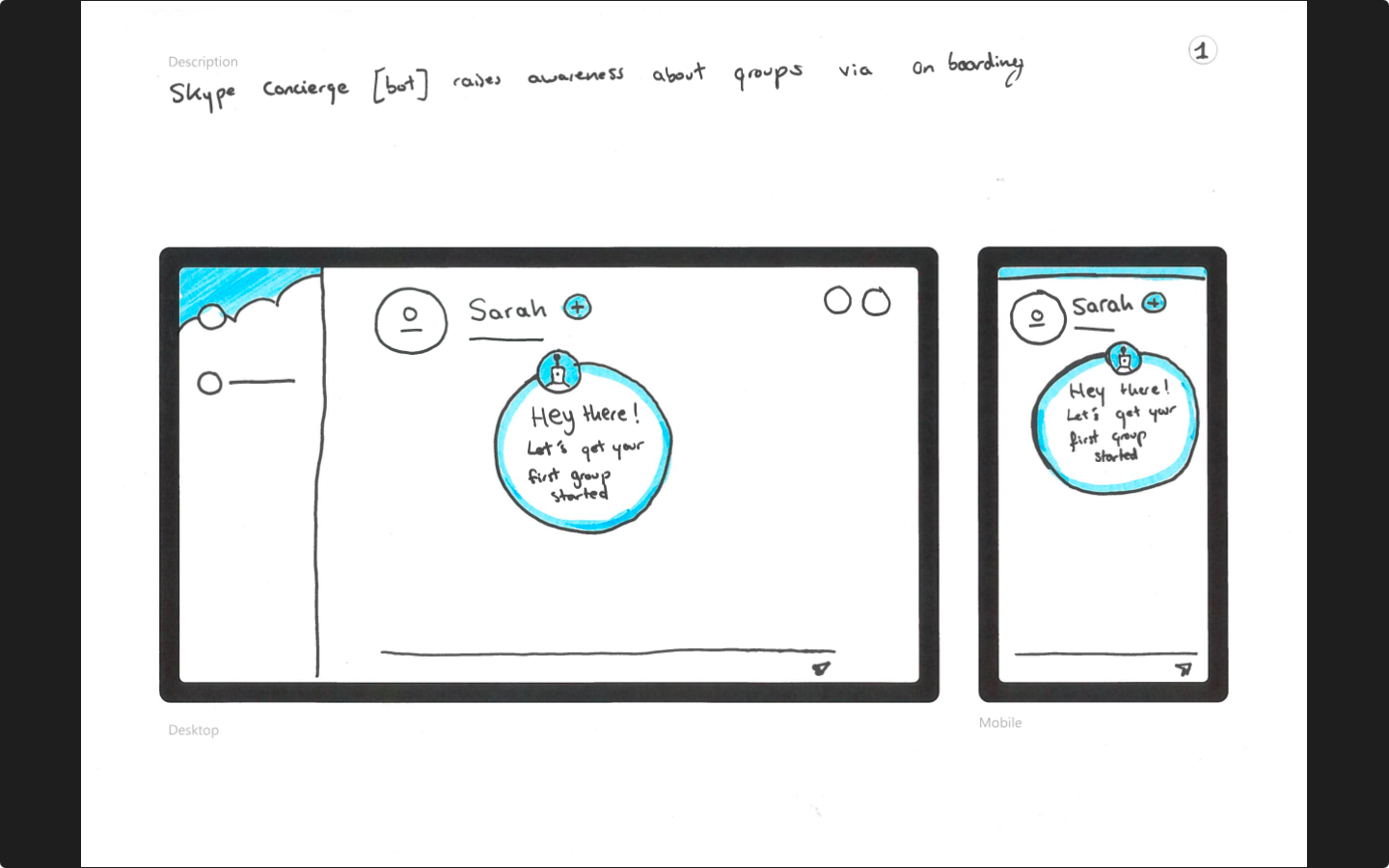
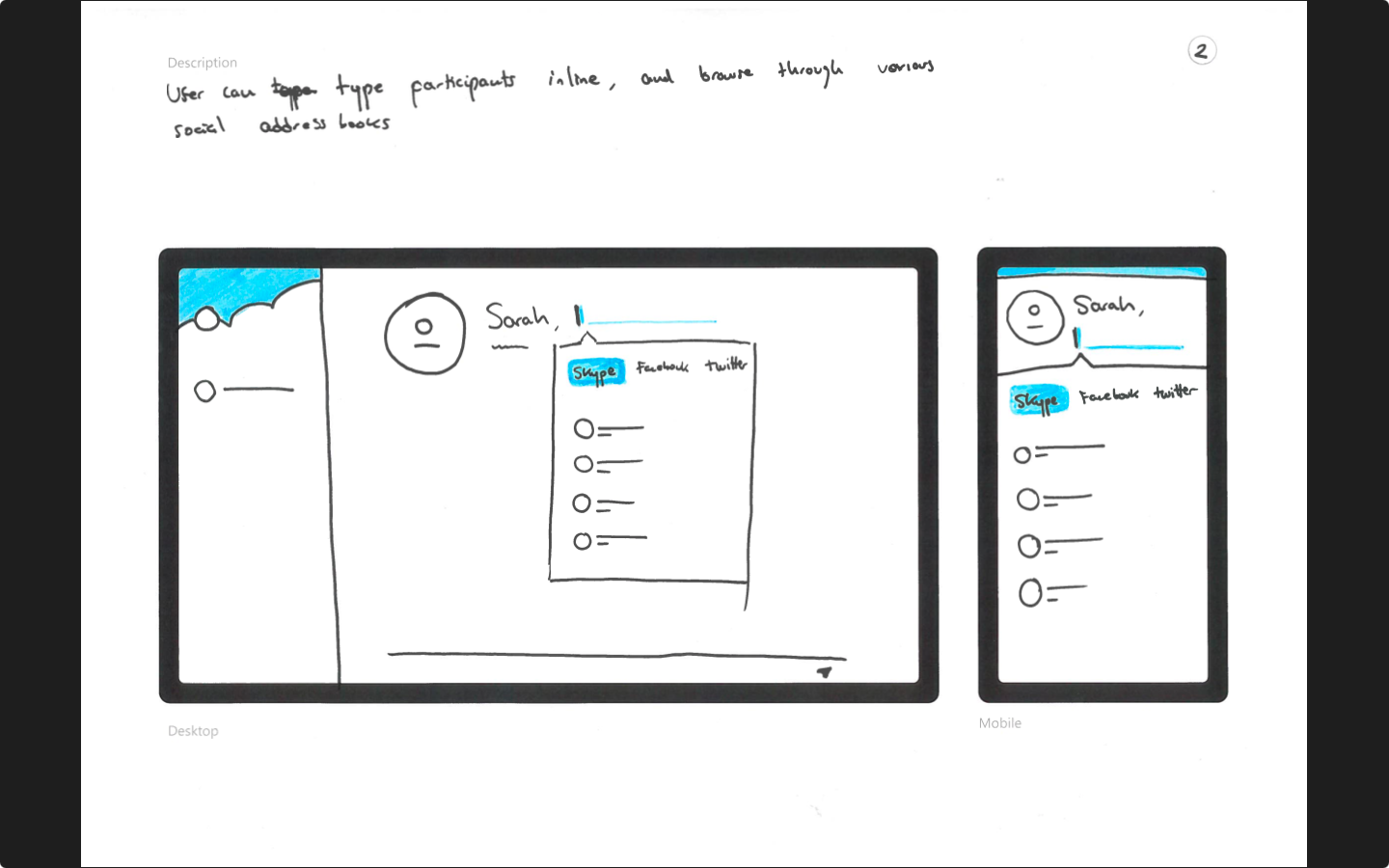
In the interaction phase, I led collaborative storyboarding sessions with product owners and designers to visualise how the new experience would feel for users.
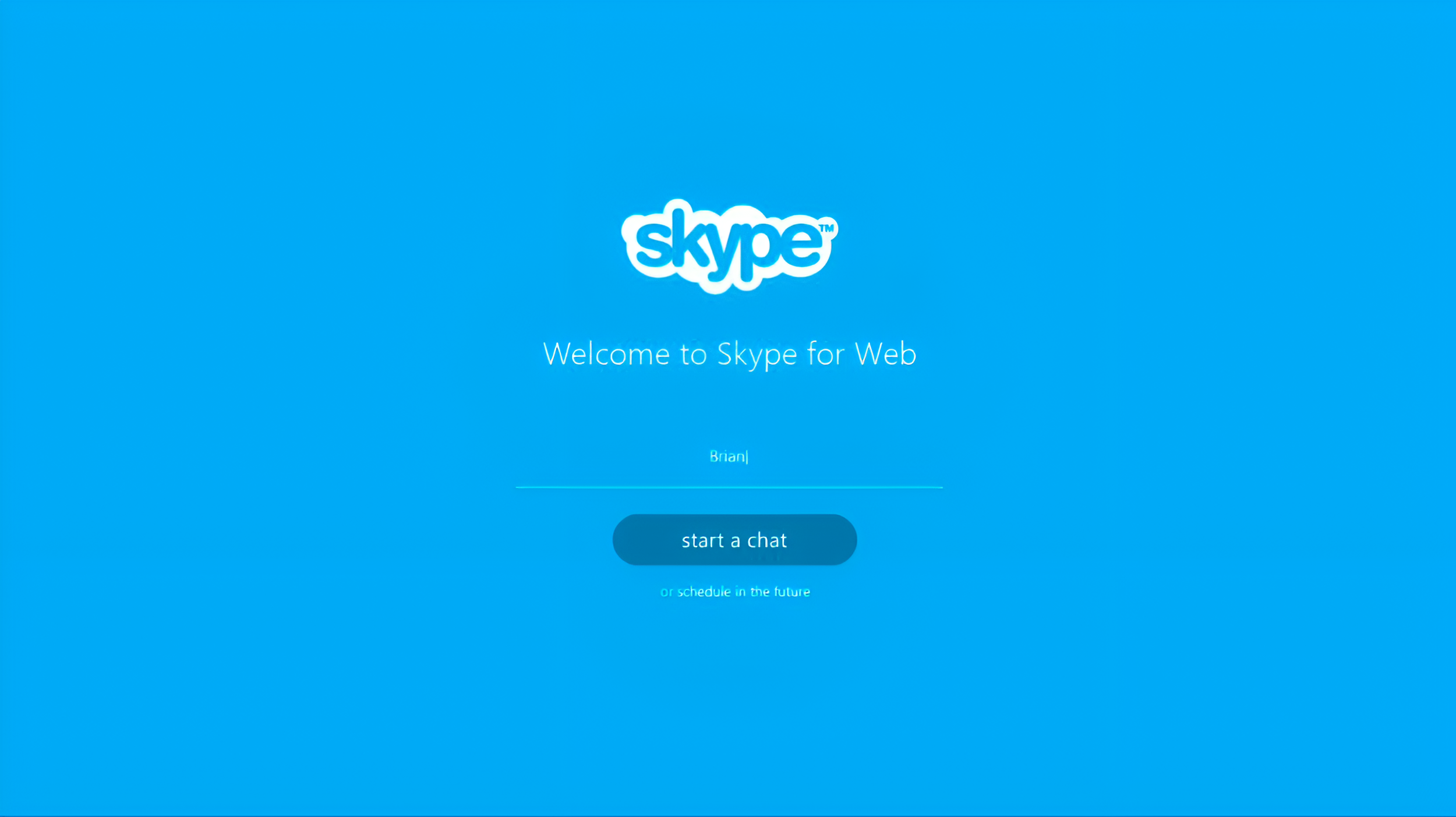
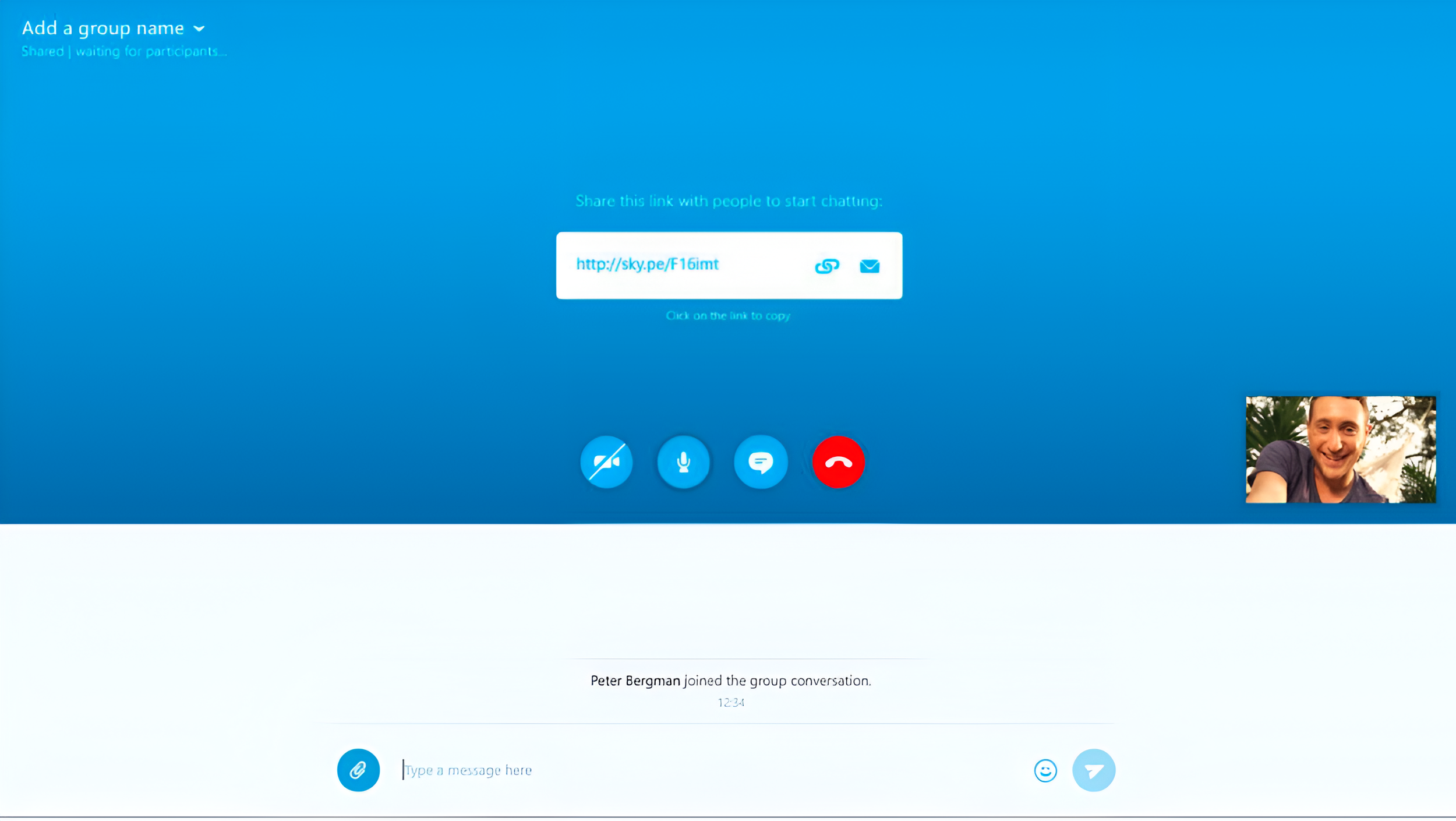
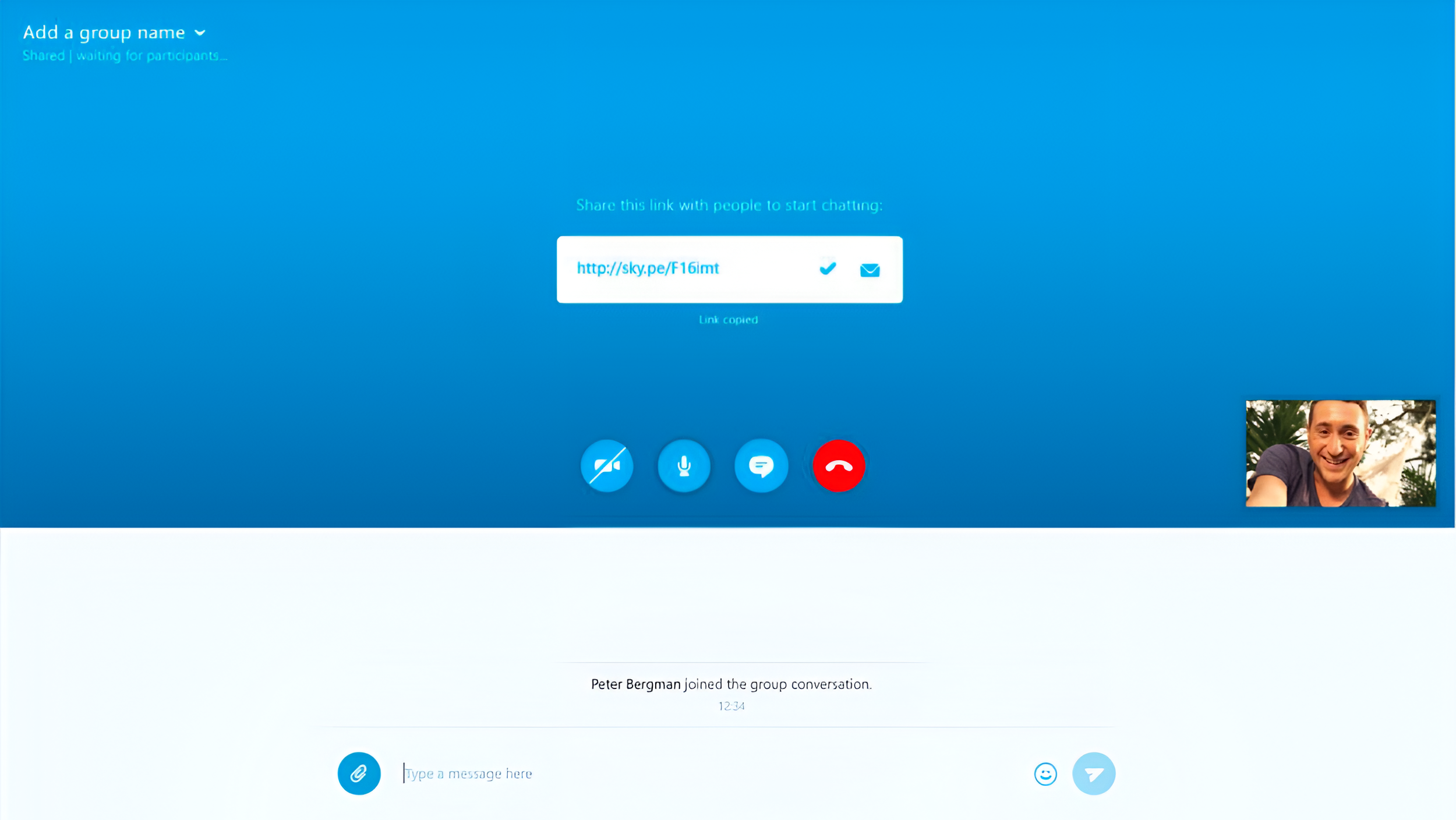
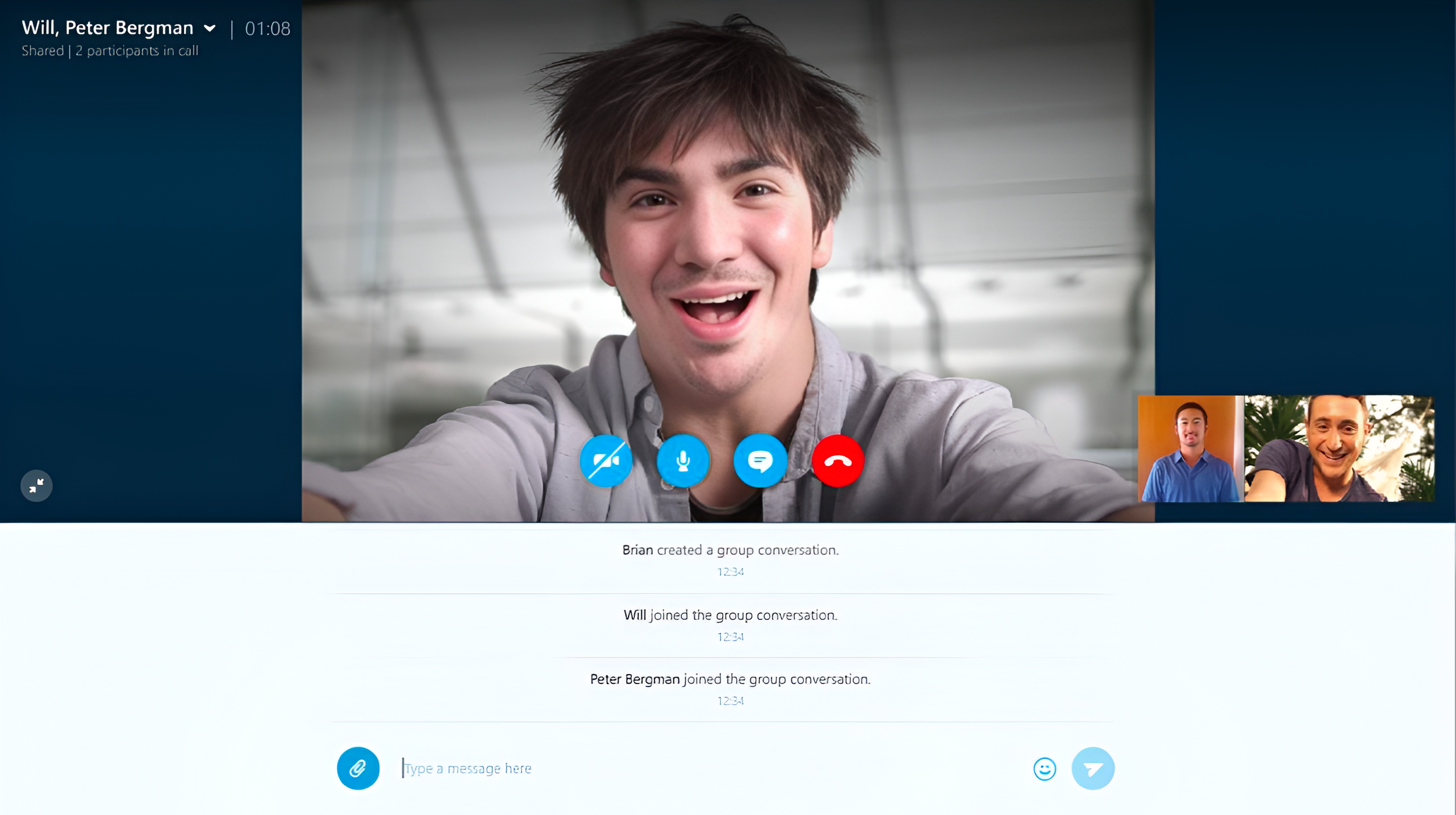
The solution introduced “Huddles”, enabling non-Skype users to join conversations easily — transforming Skype into a more open and transient communication tool. I used Adobe Illustrator and Figma to prototype key flows and UI components, maintaining consistency with Skype’s visual language while introducing refreshed layouts, filter systems, and responsive design patterns. -
The project launched as a closed Beta, eventually shipping on skype.com and web.skype.com.
Key performance indicators (KPIs) were tied directly to increases in Net Promoter Score (NPS) for group usage. These were monitored continuously through UI research loops, which helped the team identify new iteration opportunities and define the product roadmap post-launch.
The redesign not only improved discoverability and user satisfaction but also laid the foundation for future cross-platform consistency within Skype’s design system.
From research to design principles
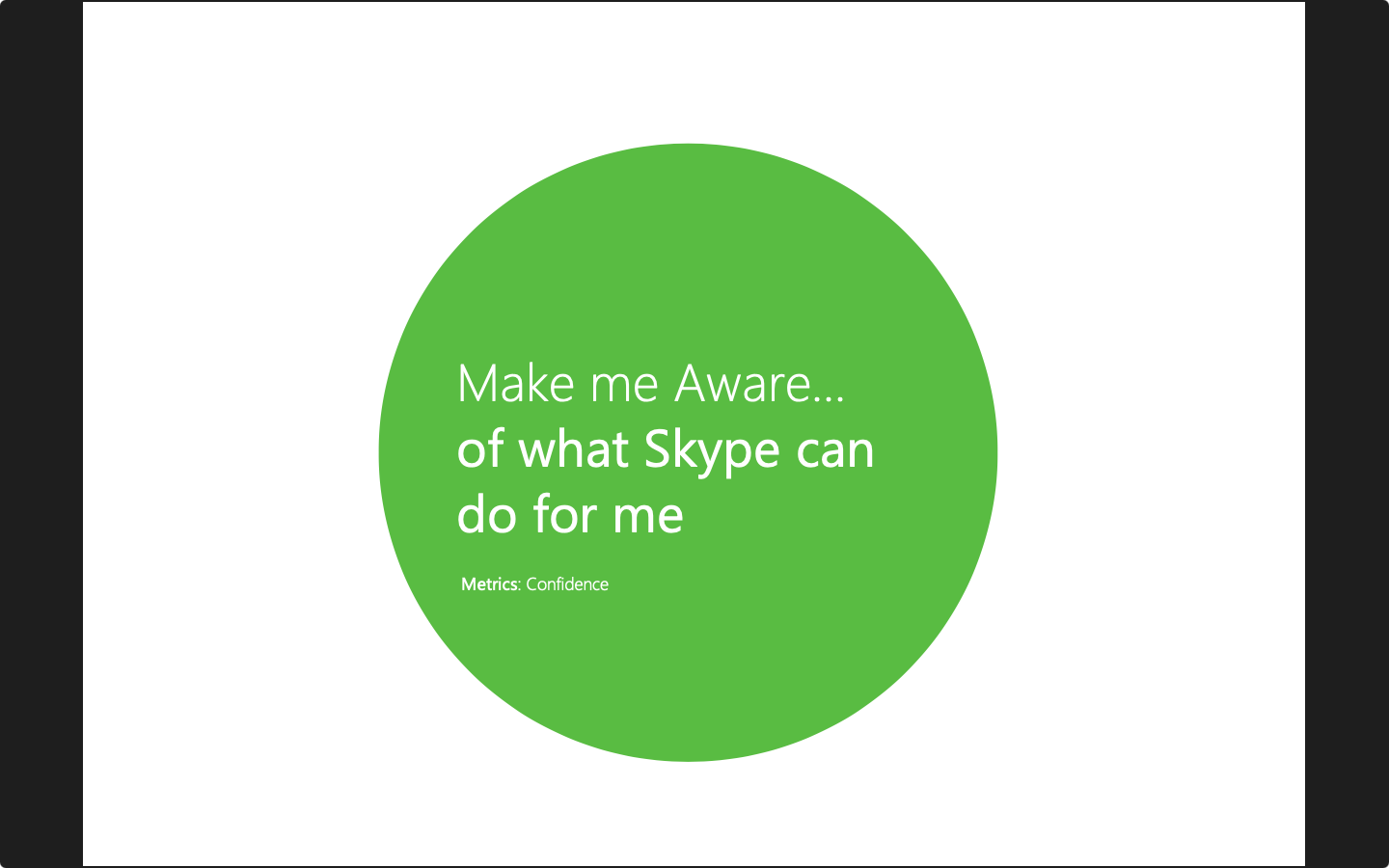
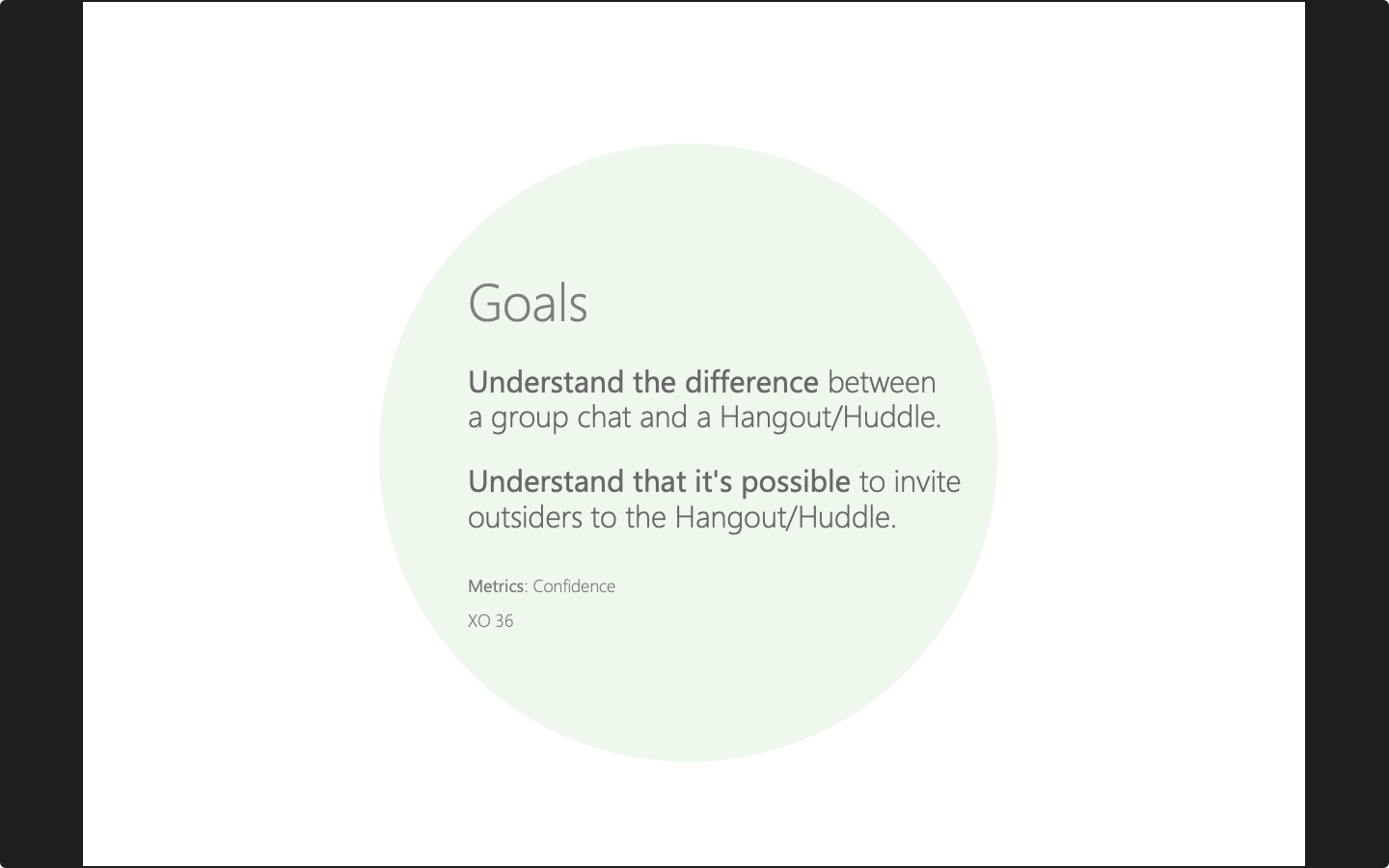
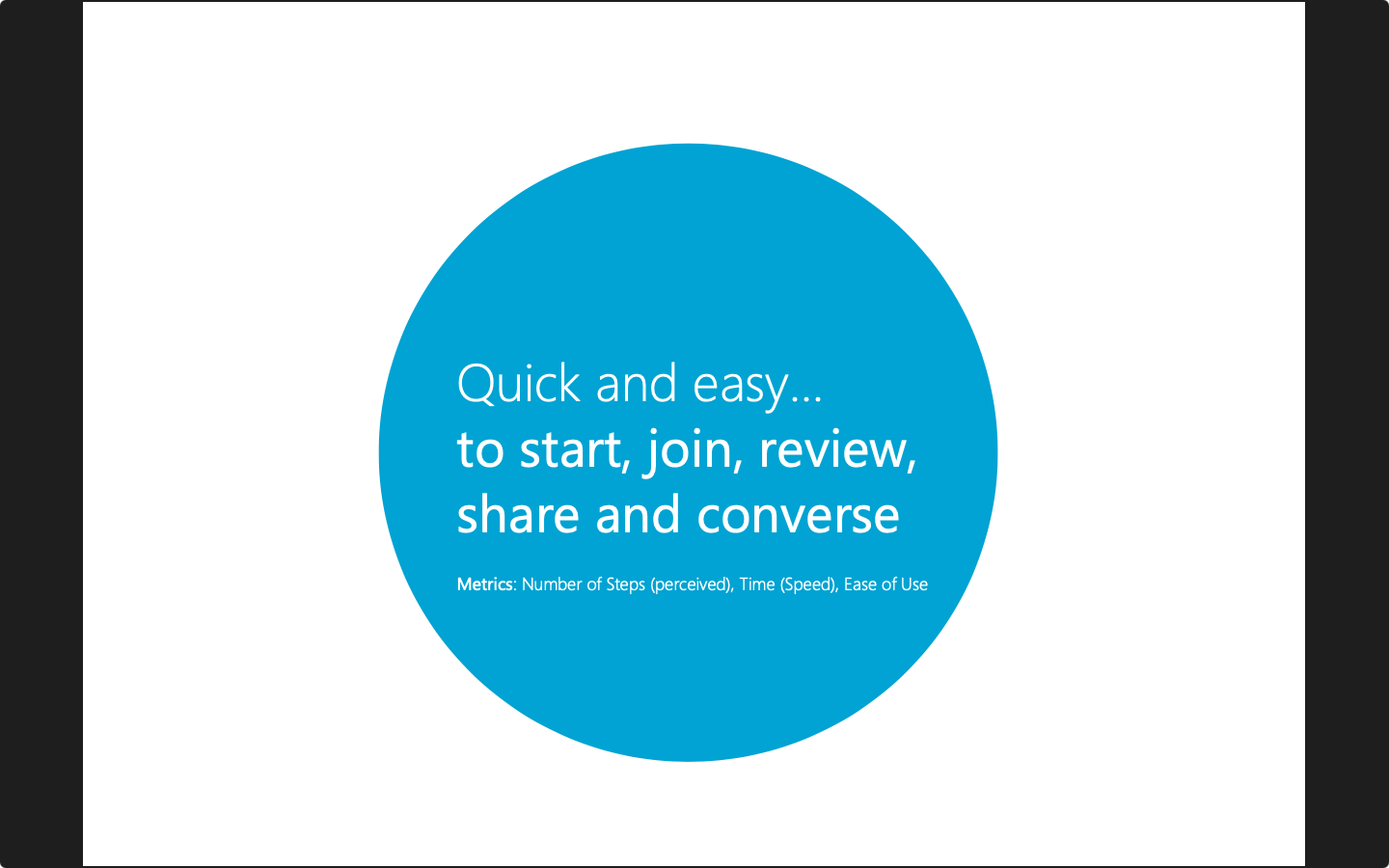
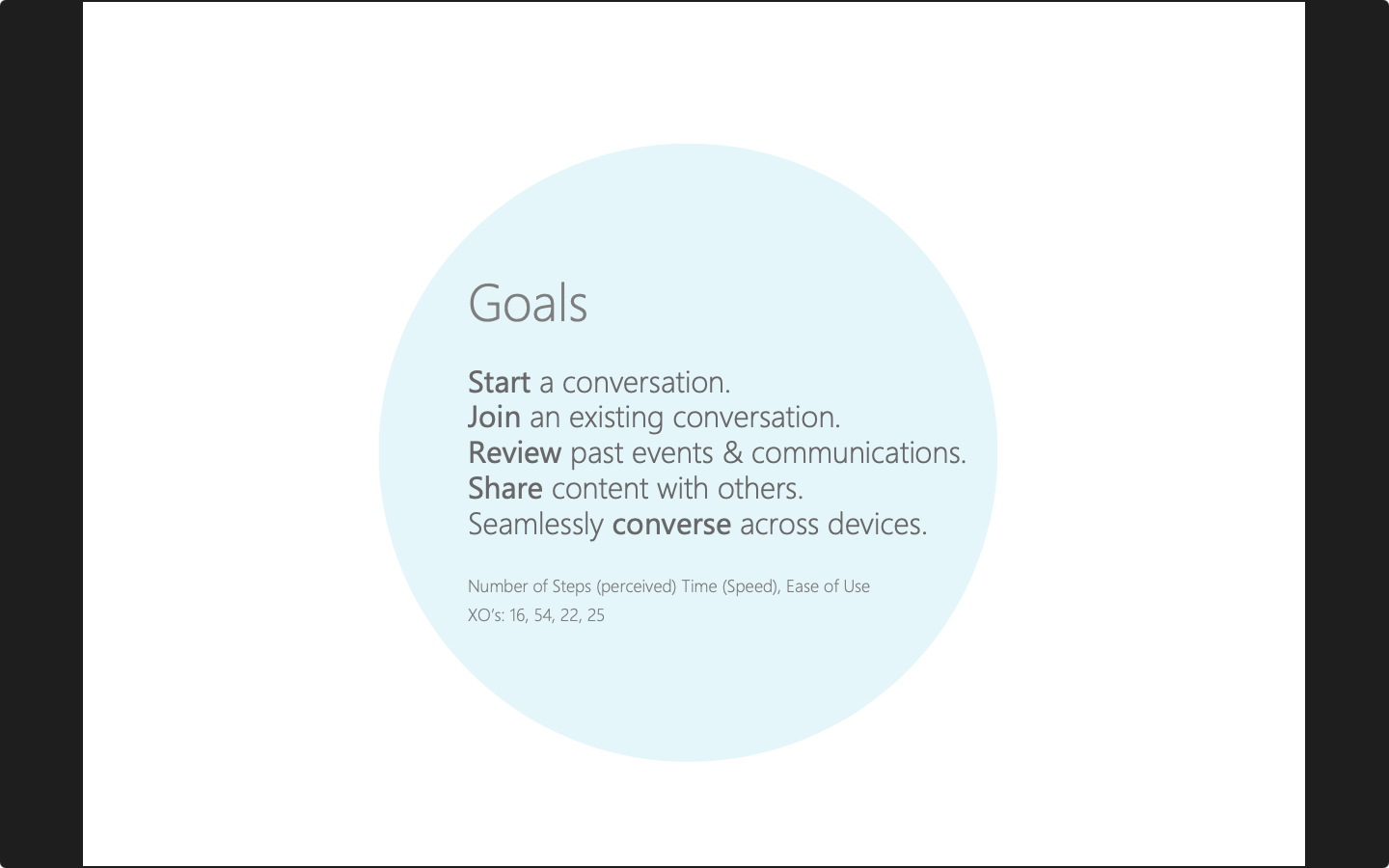
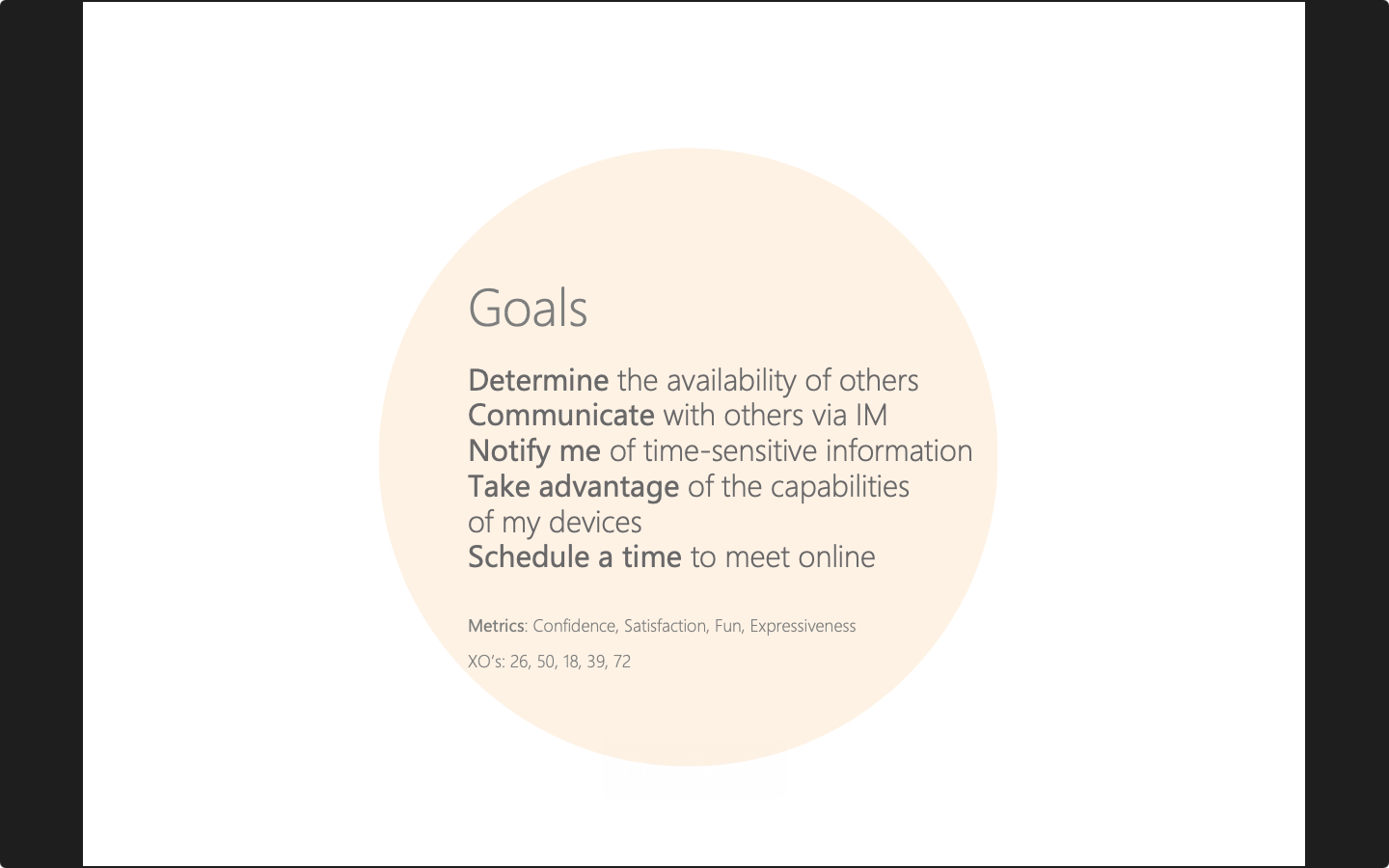
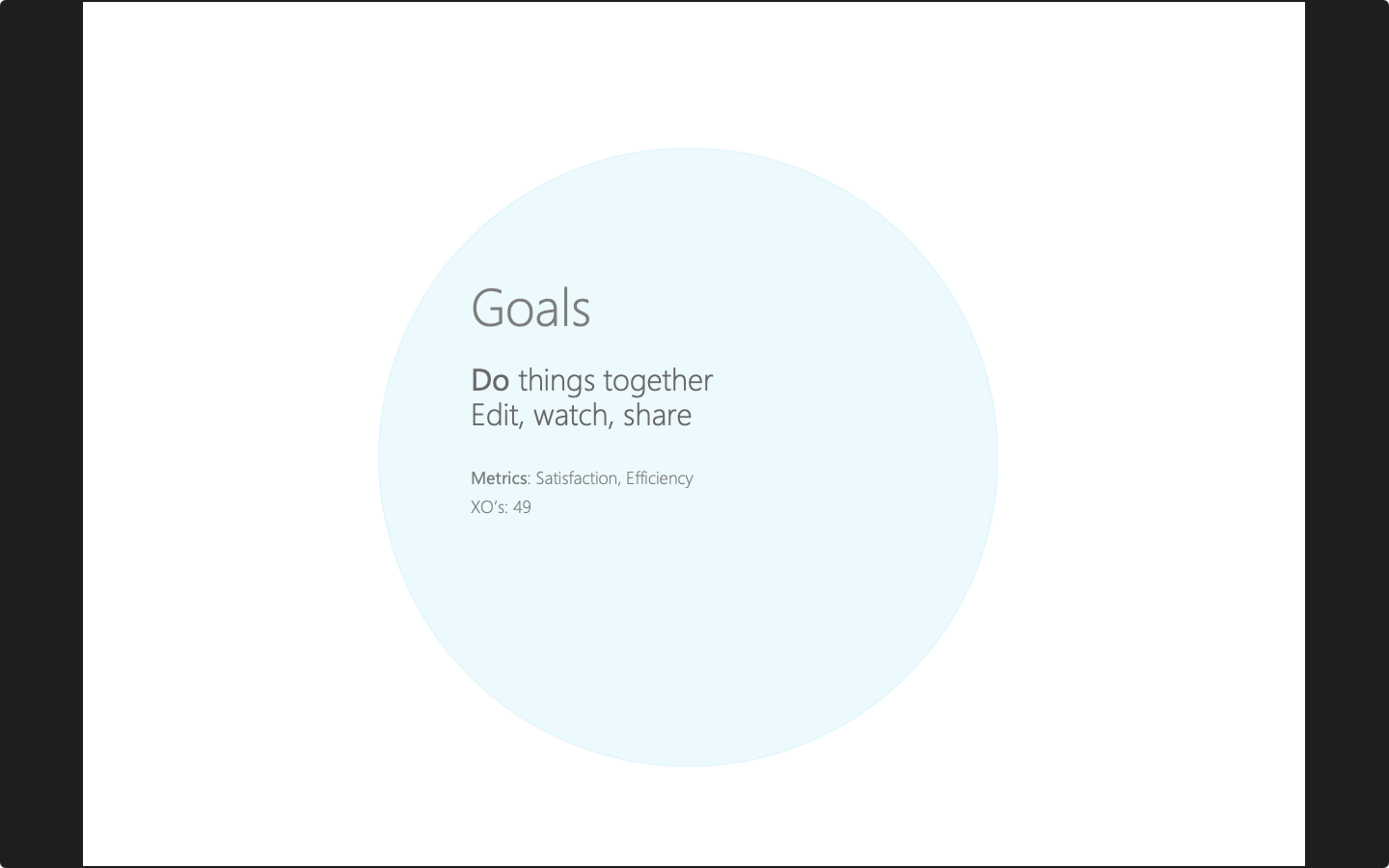
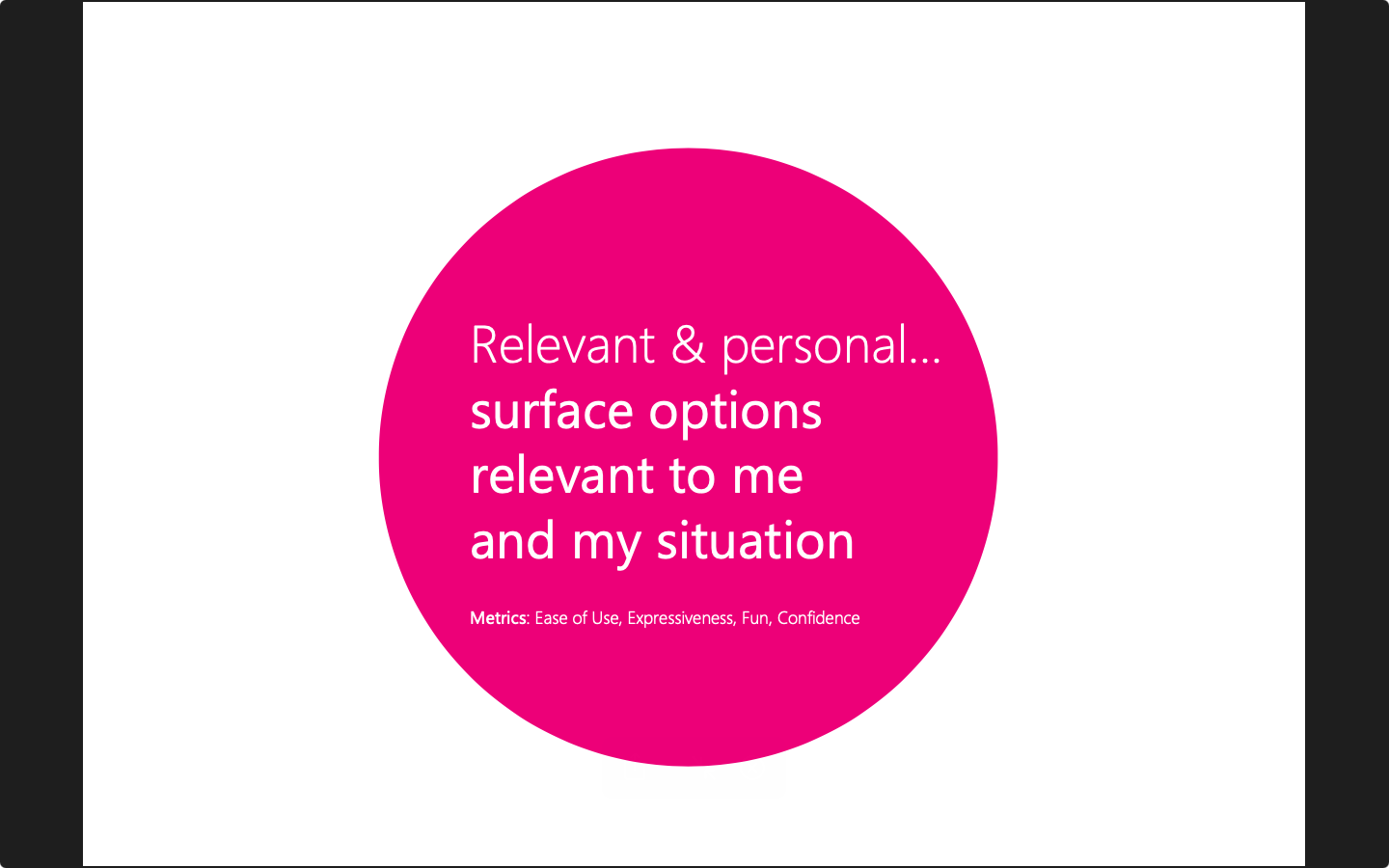
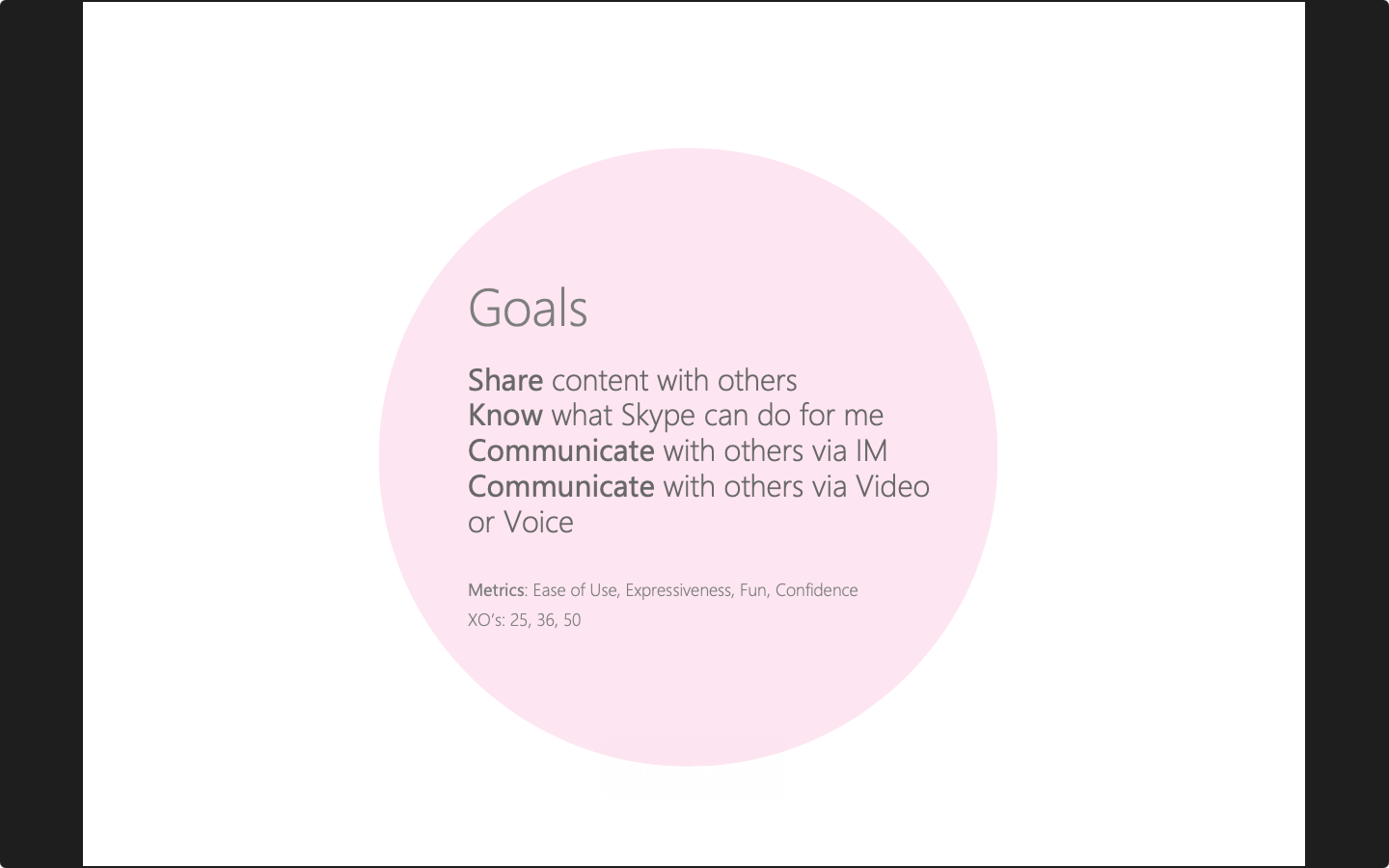
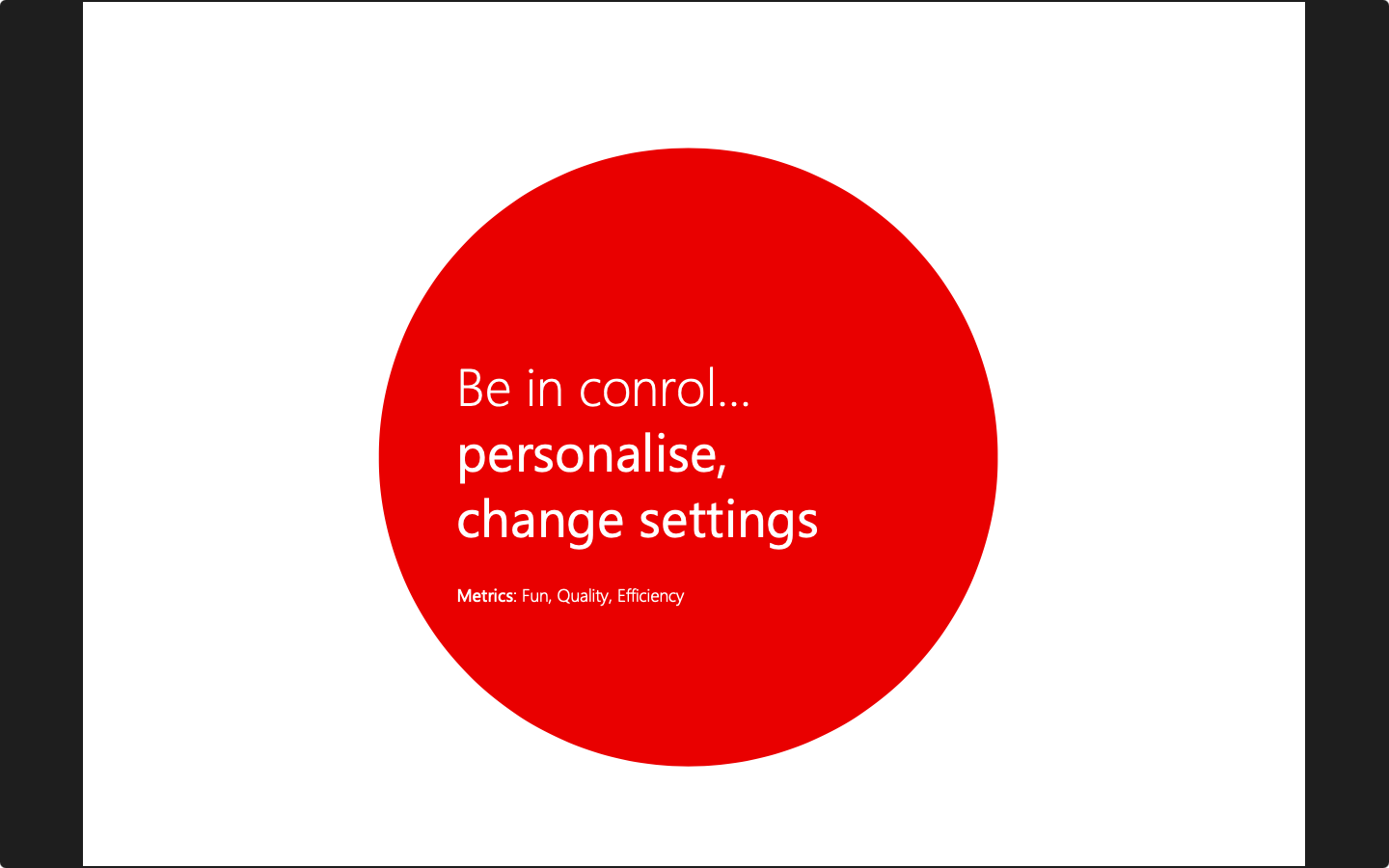
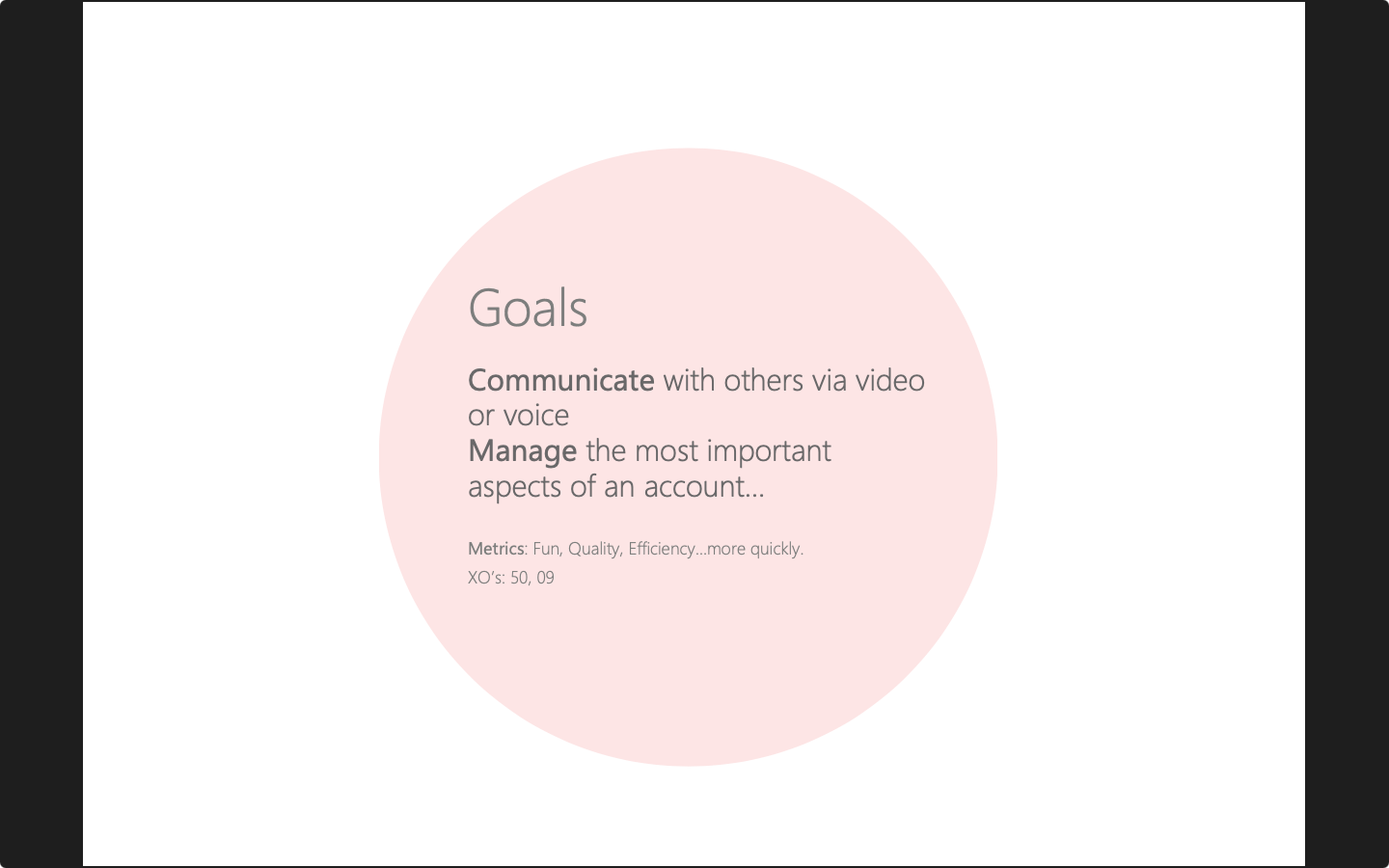
I began by mapping the existing research and running journey mapping workshops with key stakeholders to align on user needs and pain points. From these sessions, I distilled the most important user research insights into a clear set of design principles, ensuring that every design decision reflected both user expectations and the broader business vision.
Designing for Transience and Connection
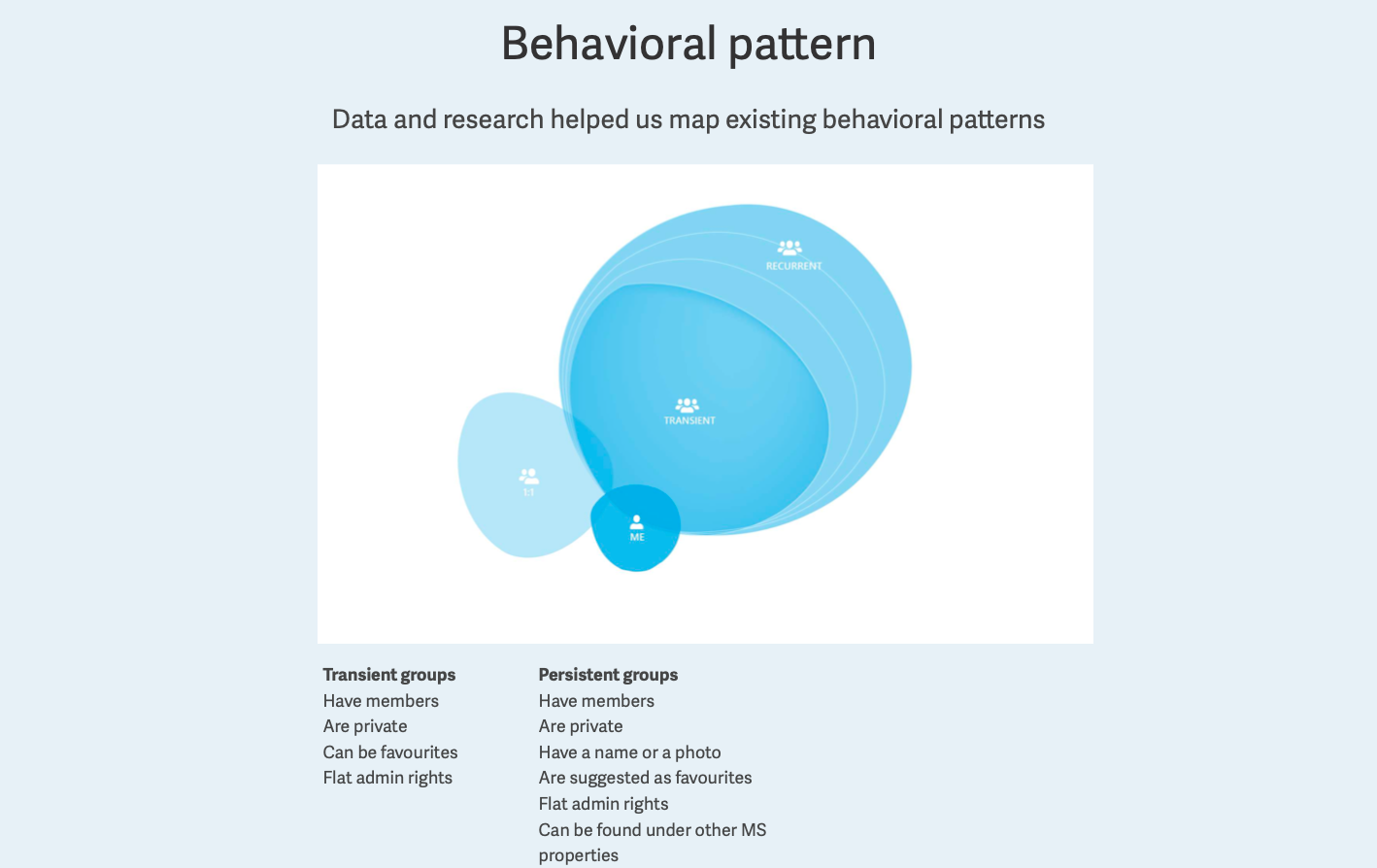
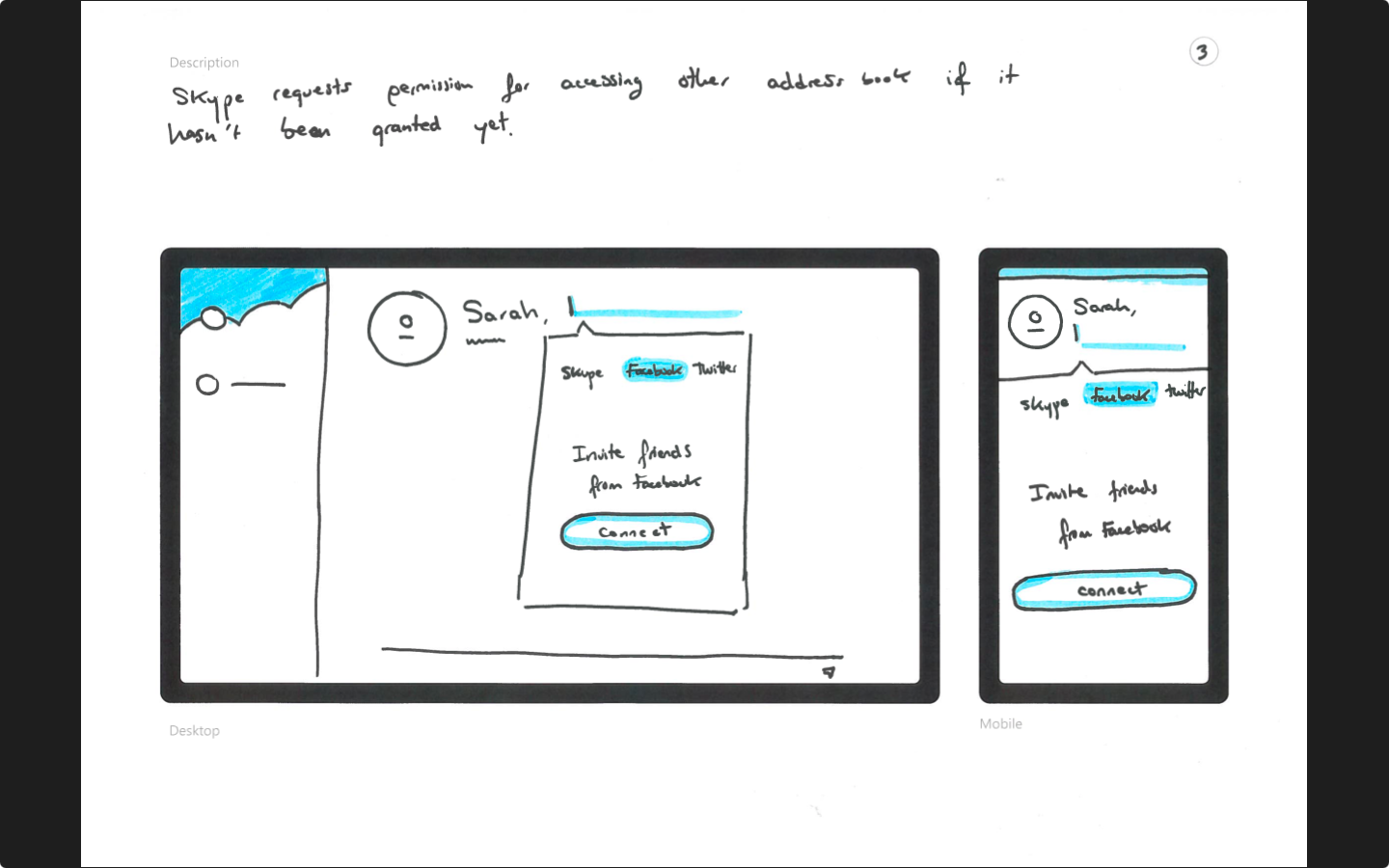
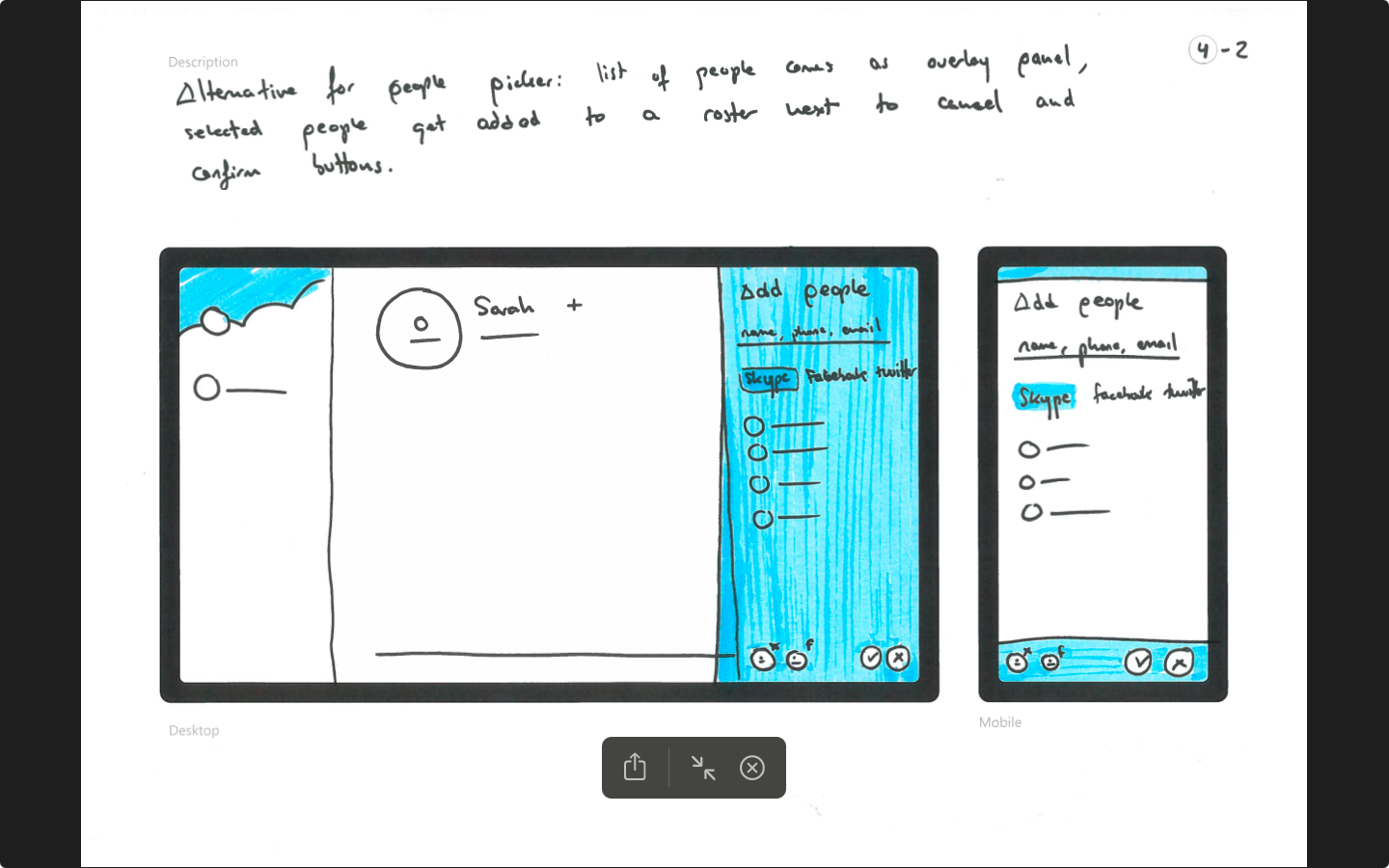
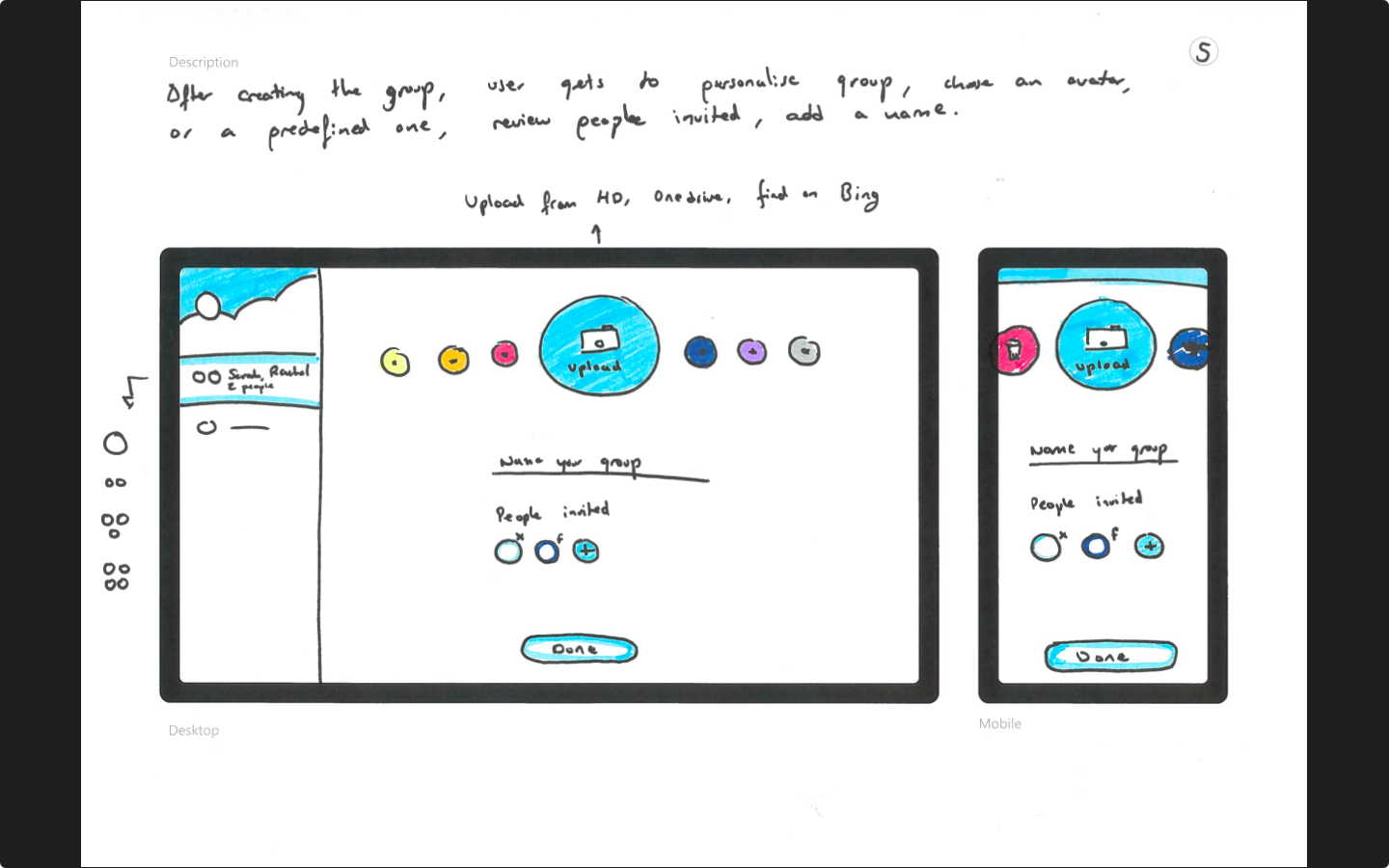
Next, I facilitated a series of co-creative workshops with the UI designer and Product Owner to sketch and define key user interactions and scenarios. Together, we explored an early AI-driven onboarding concept — a conversational bot that guided users through joining and forming groups — while visualising how group interactions naturally evolve over time. The design reflected this transient behaviour, acknowledging that some groups fade while others persist, requiring personalisation and adaptive UI elements to support ongoing engagement.
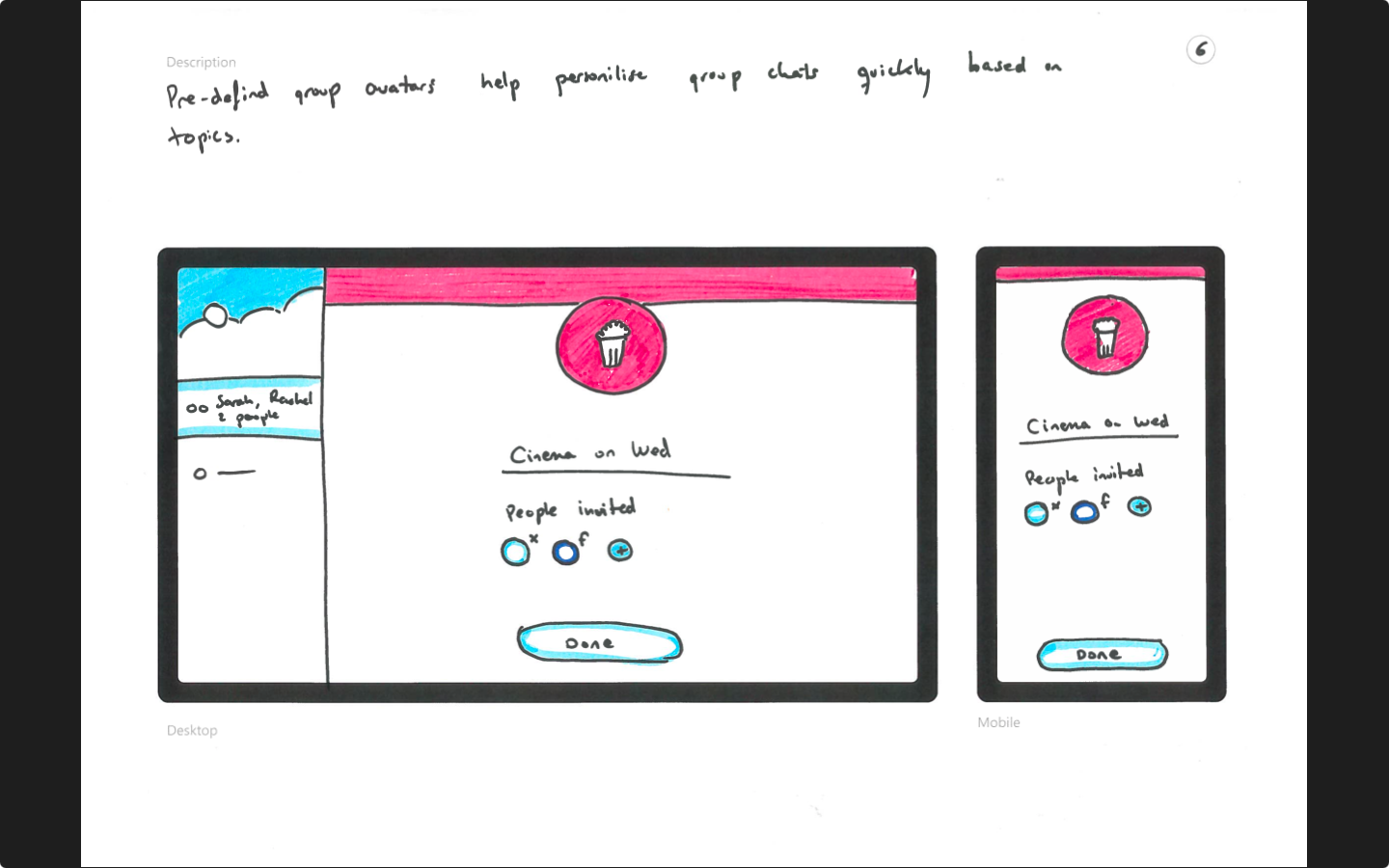
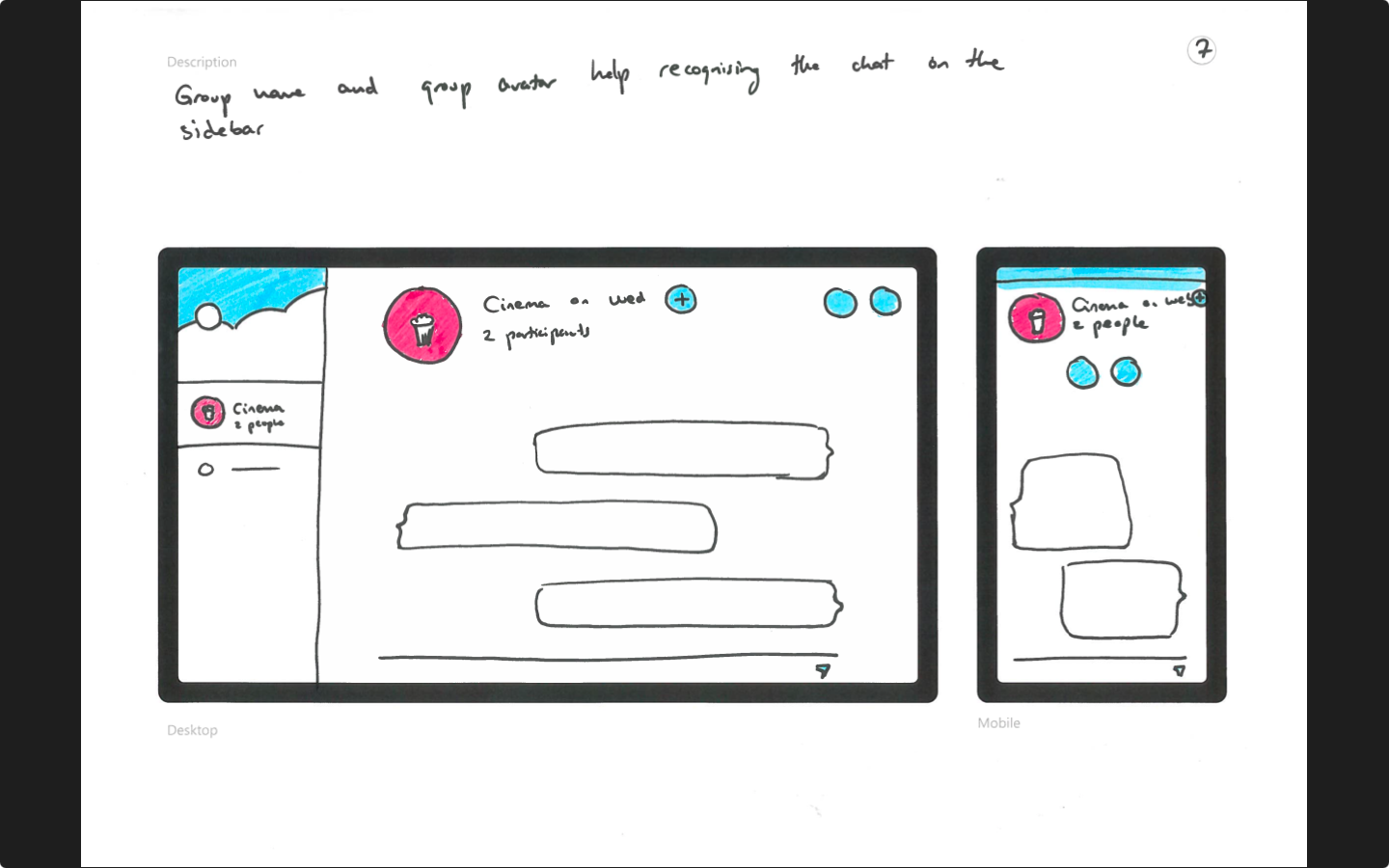
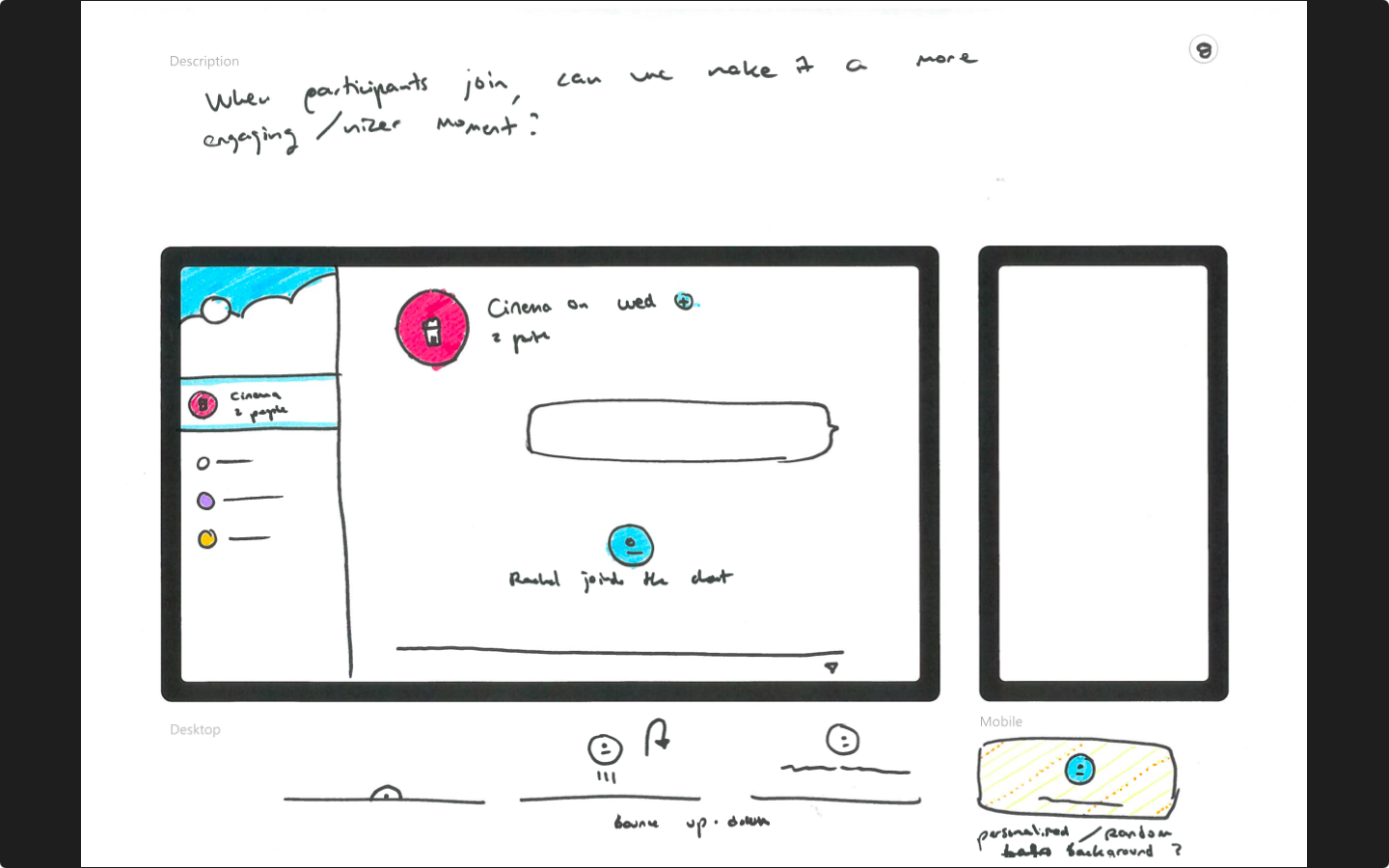
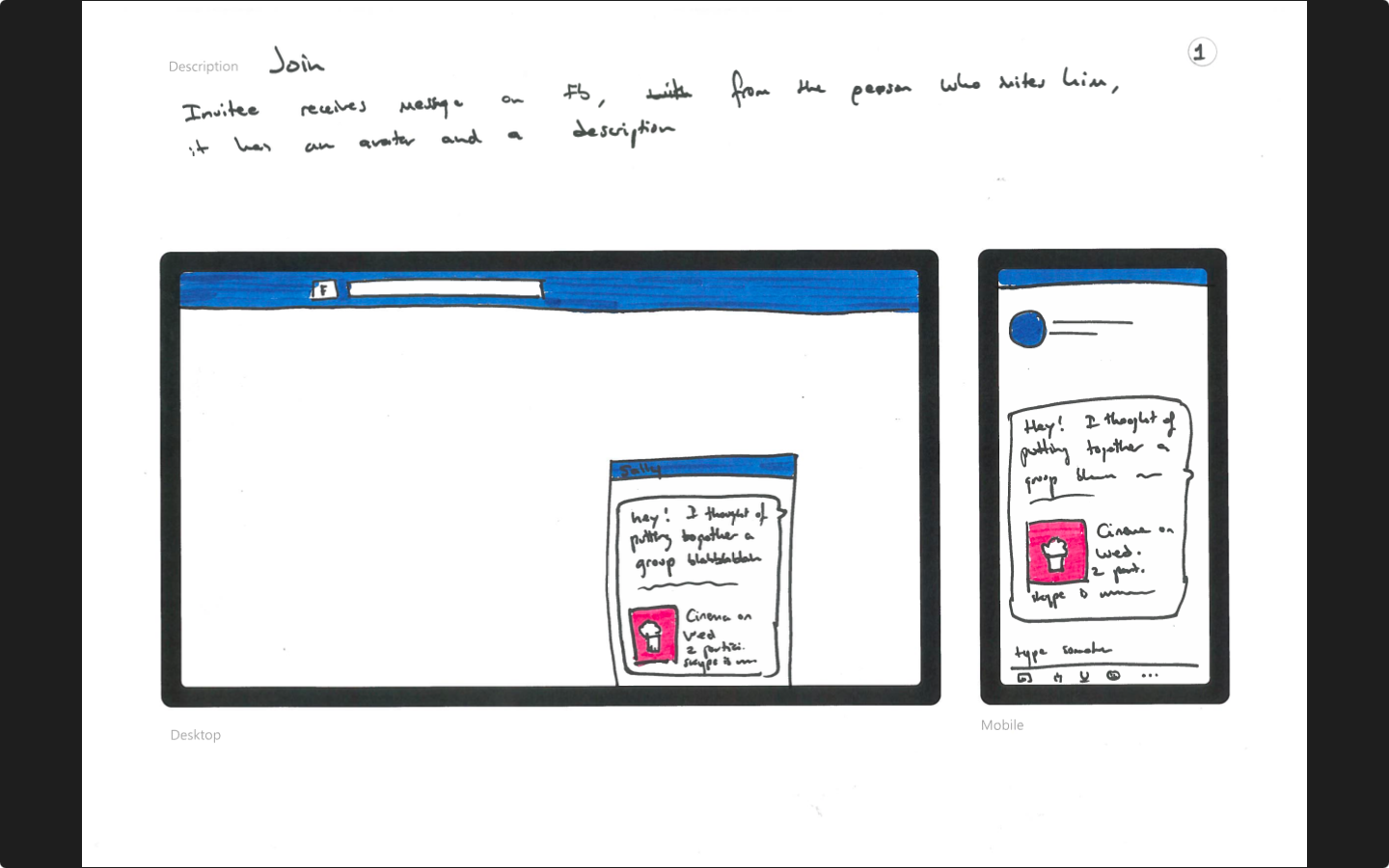
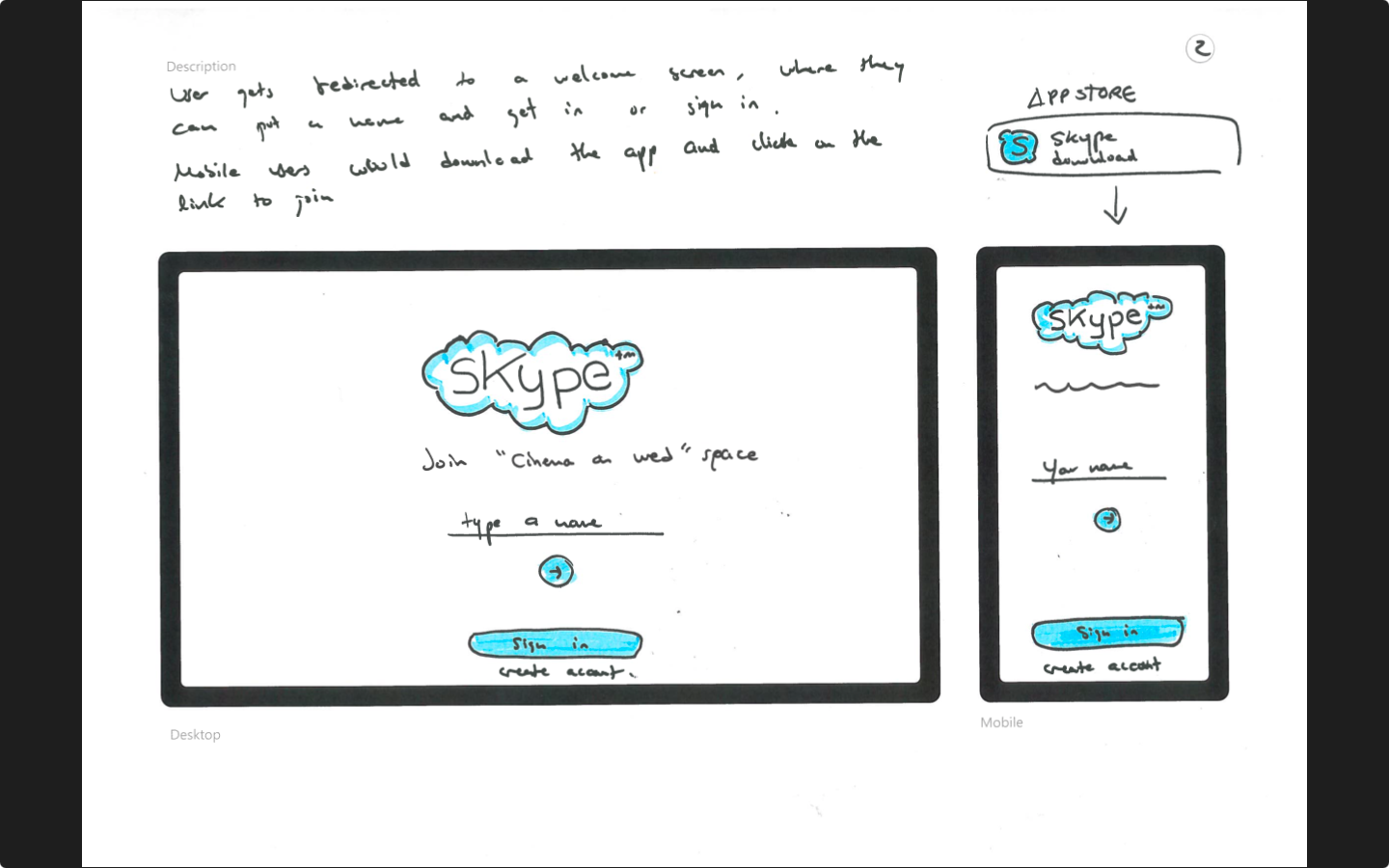
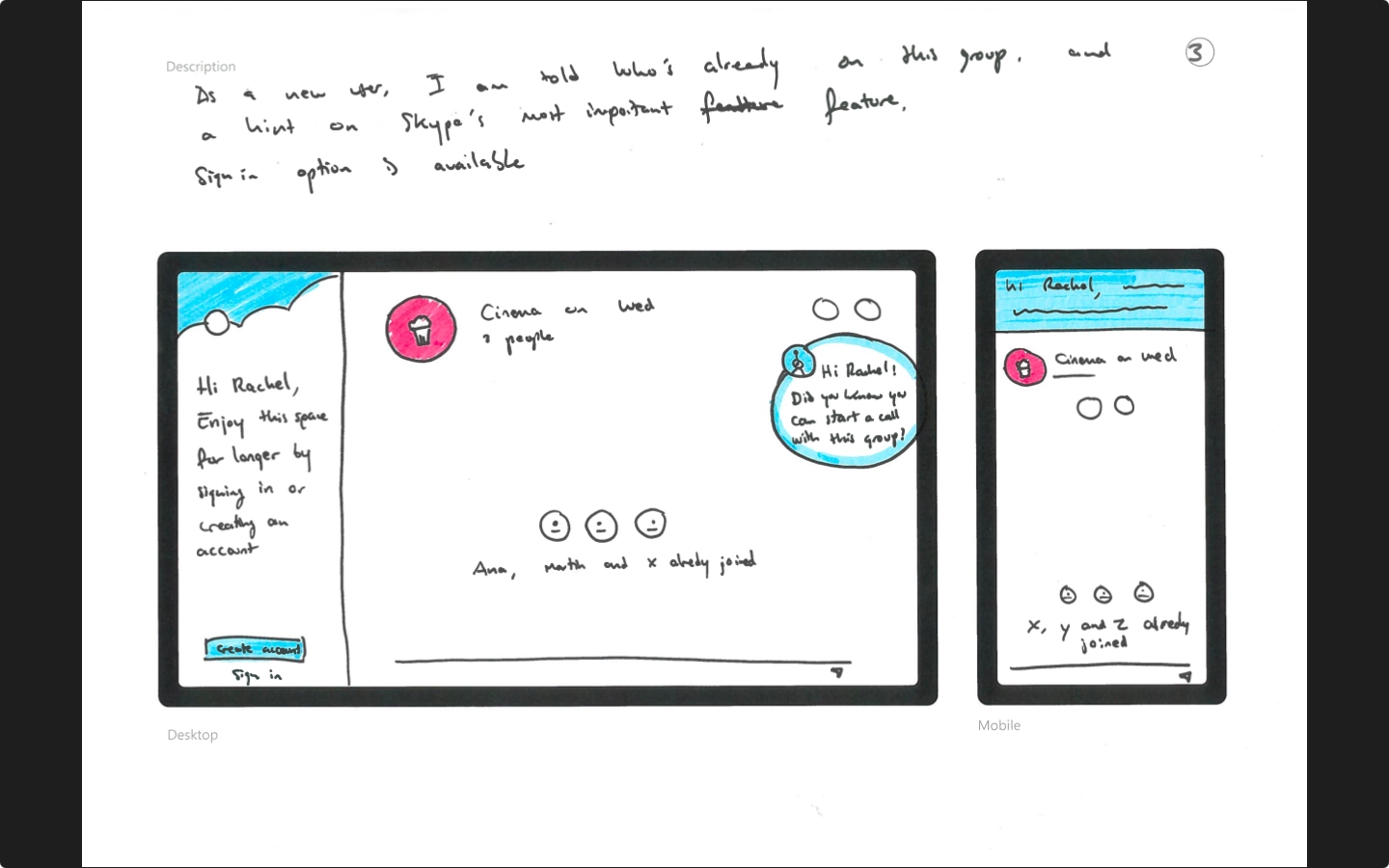
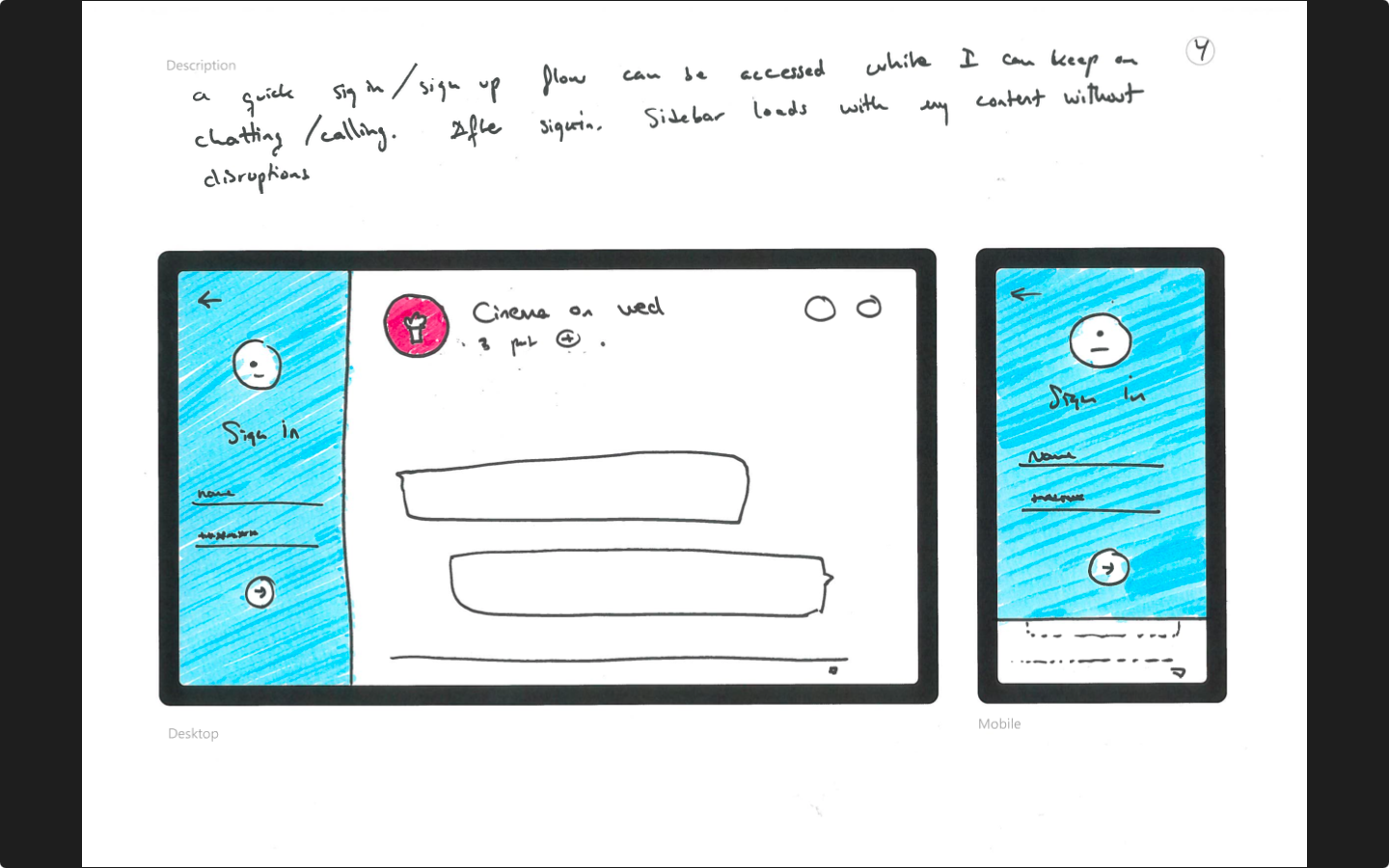
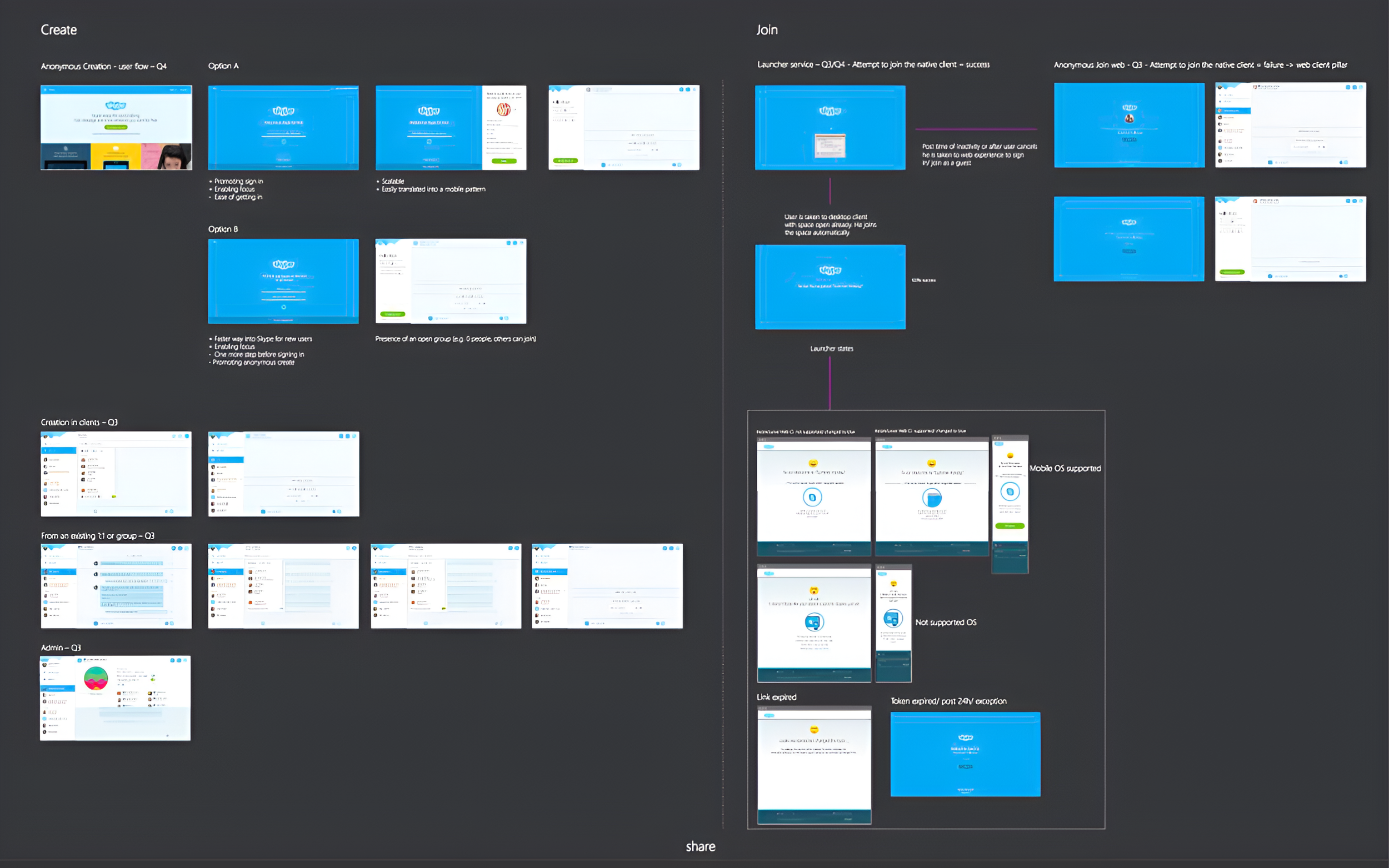
Blueprint and final user flows and interaction design
I worked with multiple product owners to map roles, attributes, scenarios and user flows in detail before moving forward to producing final user flows and interaction design along with the UI designer. I also evangelised this design work to multiple other design teams.